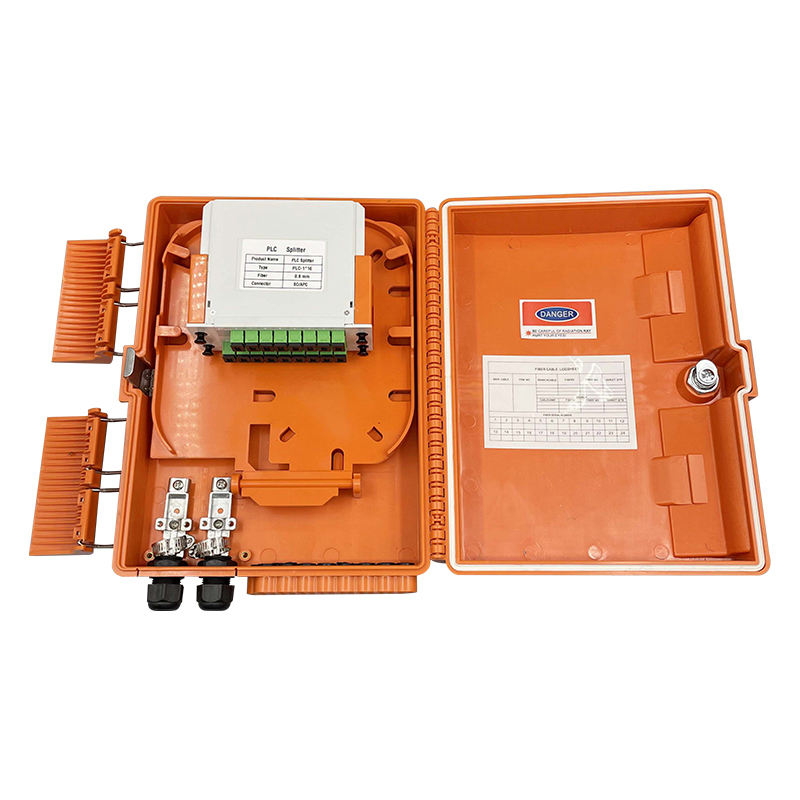
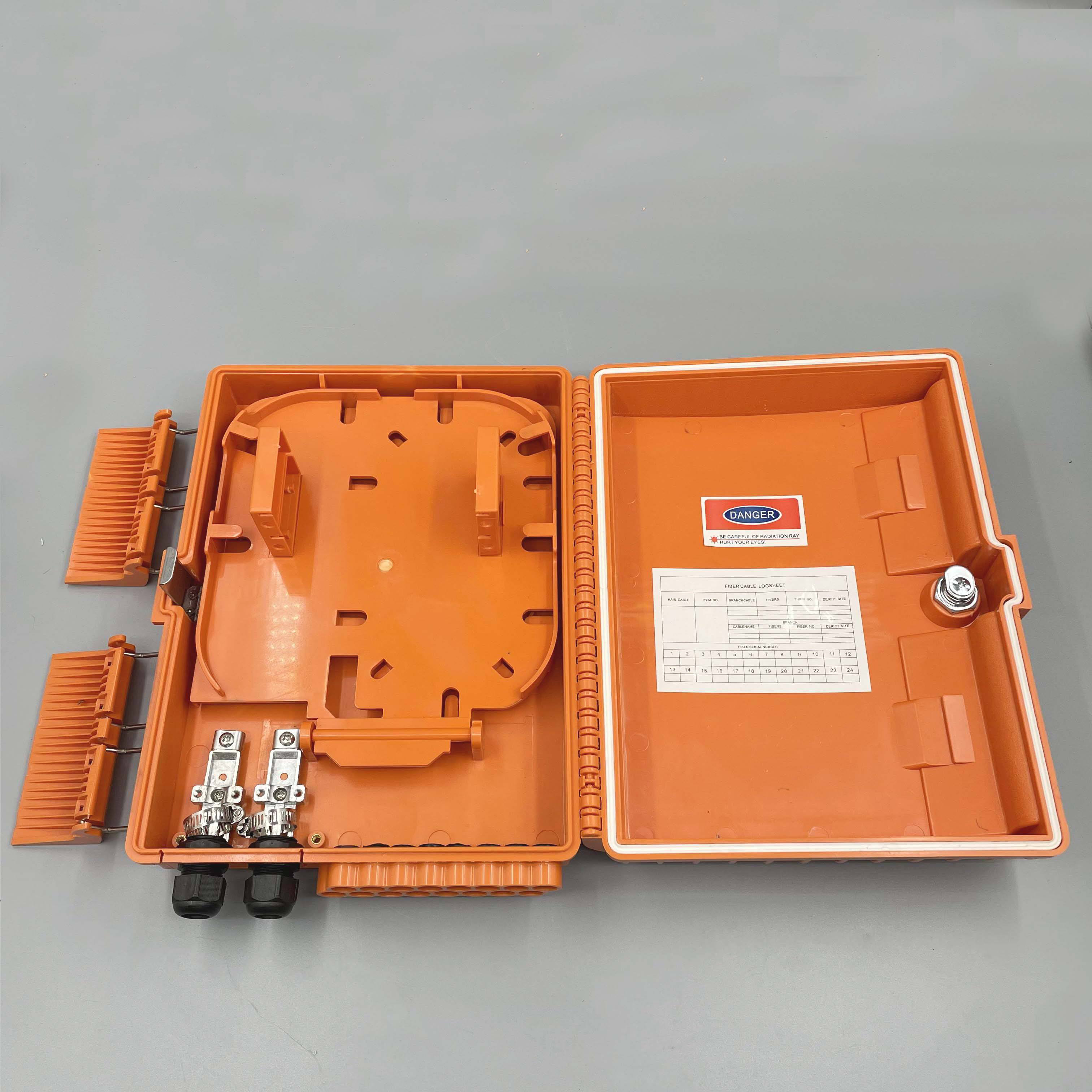
optical distribution box
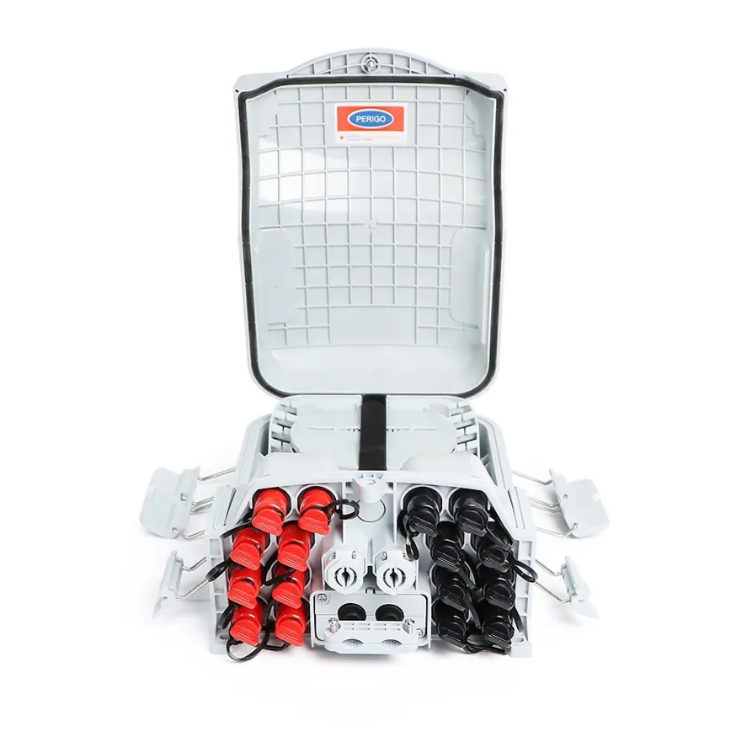
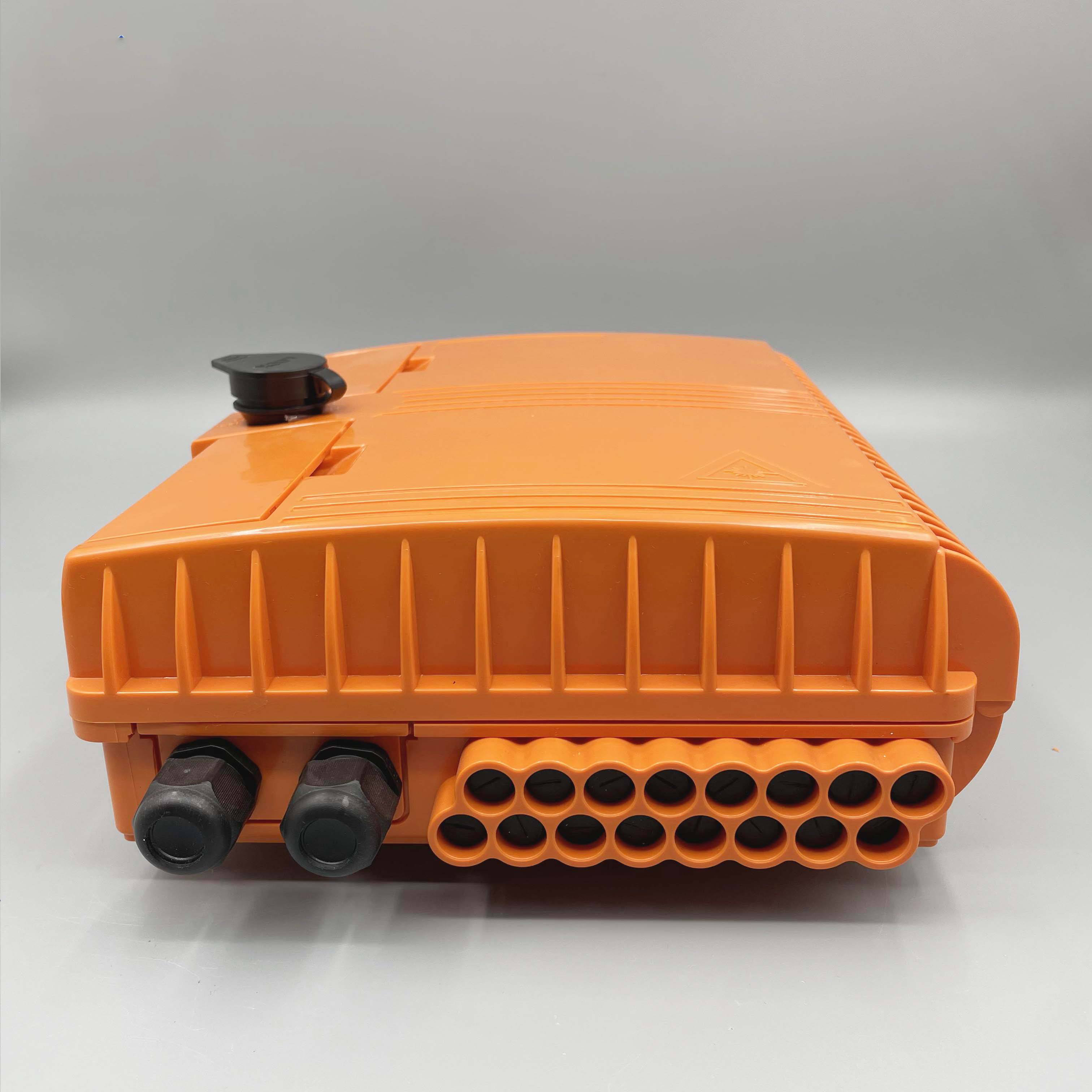
An optical distribution box is a critical infrastructure component designed to manage and organize fiber optic connections within telecommunications networks. This sophisticated device serves as a central hub where incoming fiber optic cables are received, sorted, and distributed to various endpoint locations. The optical distribution box functions as the essential interface between backbone networks and end-user connections, ensuring reliable signal transmission across communication systems.
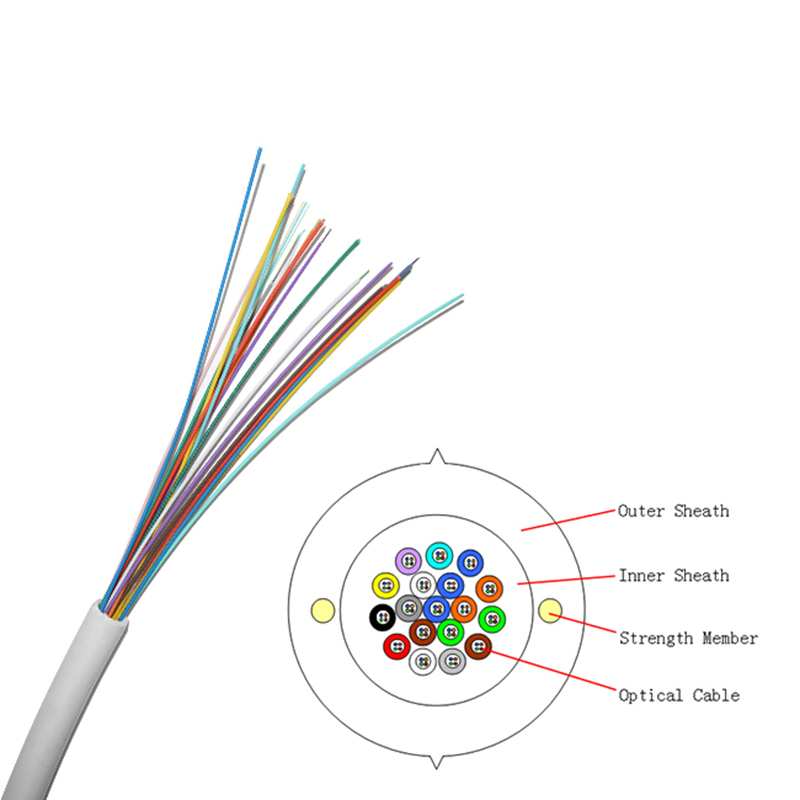
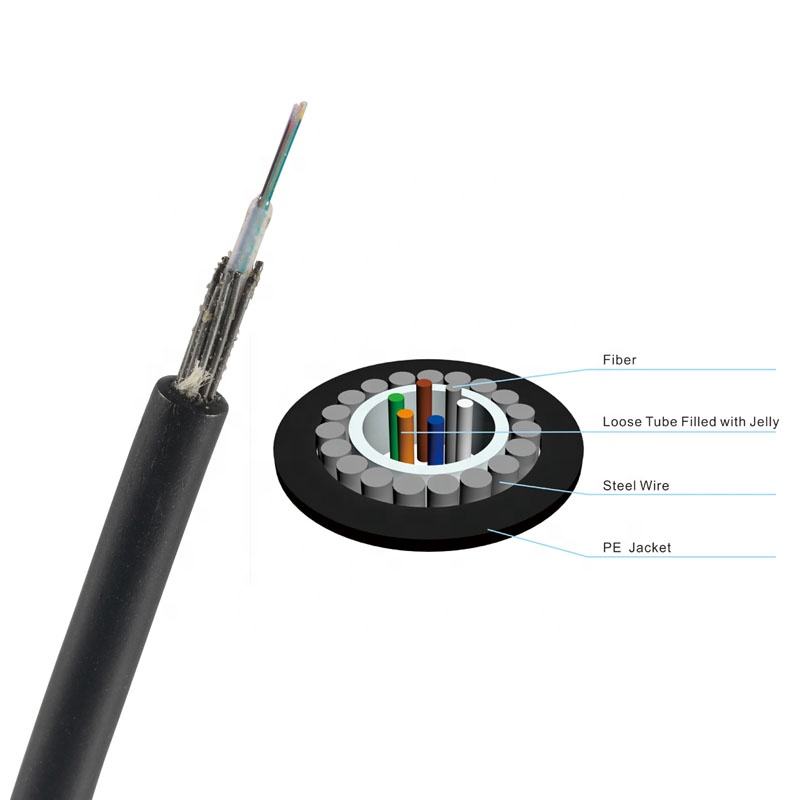
The primary function of an optical distribution box involves receiving high-capacity fiber optic signals and directing them to appropriate destinations without signal degradation. Modern optical distribution boxes incorporate advanced technological features including splice protection systems, cable management infrastructure, and organized port configurations. These boxes utilize precision-engineered components that maintain signal integrity while facilitating organized cable routing.
Applications for the optical distribution box span multiple sectors including telecommunications networks, data centers, enterprise connectivity solutions, and internet service provider infrastructure. The optical distribution box plays a vital role in fiber-to-the-home deployments, connecting residential customers to broadband services. In commercial environments, the optical distribution box enables efficient network expansion and simplified maintenance procedures.
Technological advancements have enhanced optical distribution box capabilities, introducing modular designs that accommodate various fiber types and connection standards. These improvements allow operators to adapt configurations based on specific network requirements. The optical distribution box represents a fundamental technology ensuring organized, efficient fiber optic signal management across modern communication infrastructures, supporting the growing demand for high-speed data transmission globally.

 EN