Fiber Optic Communication Cable

Get a Free Quote

Our representative will contact you soon.
Email
Mobile
Name
Company Name
Message
0/1000

fiber optic communication cable

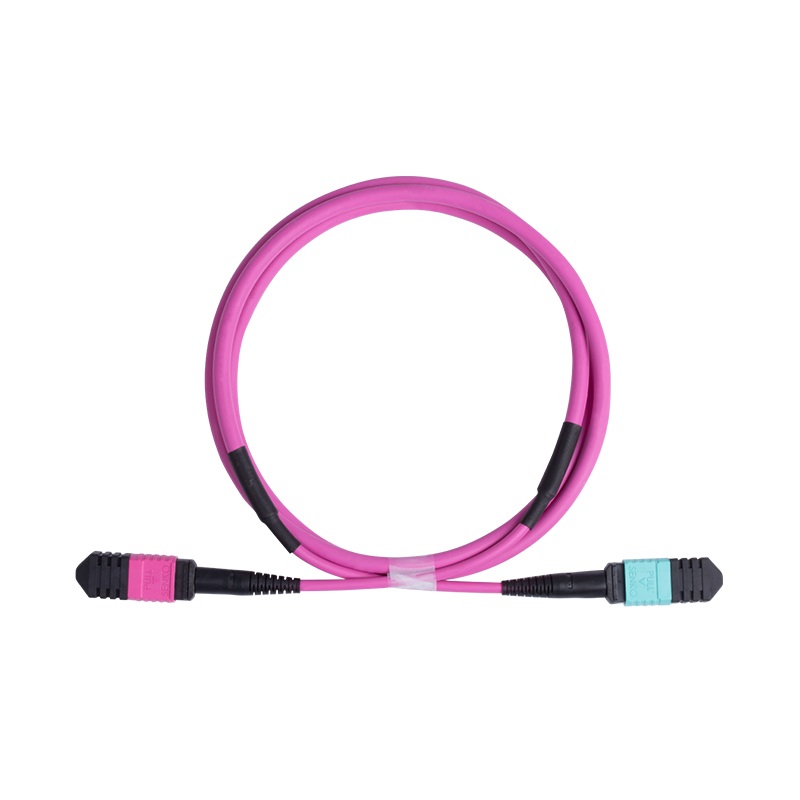
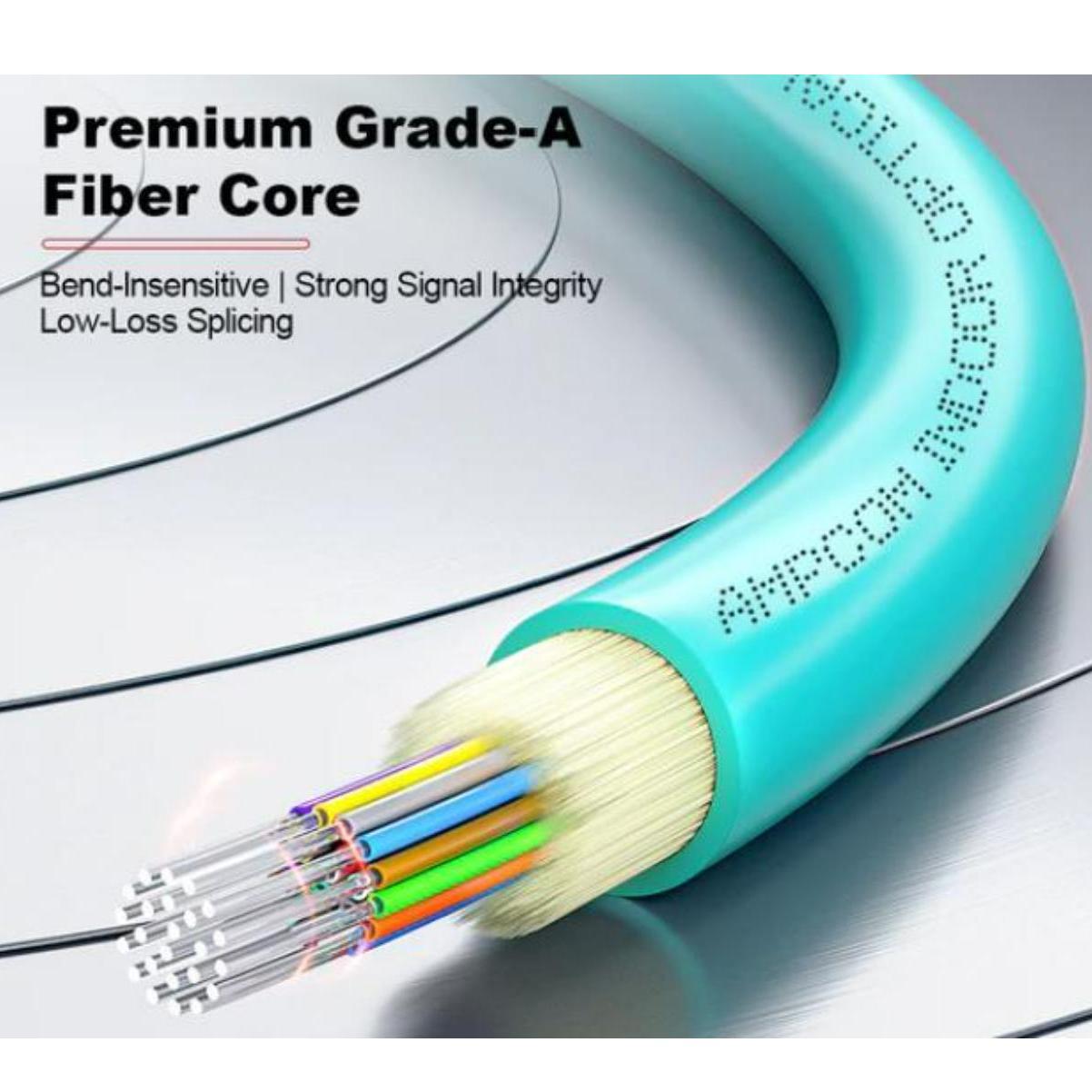
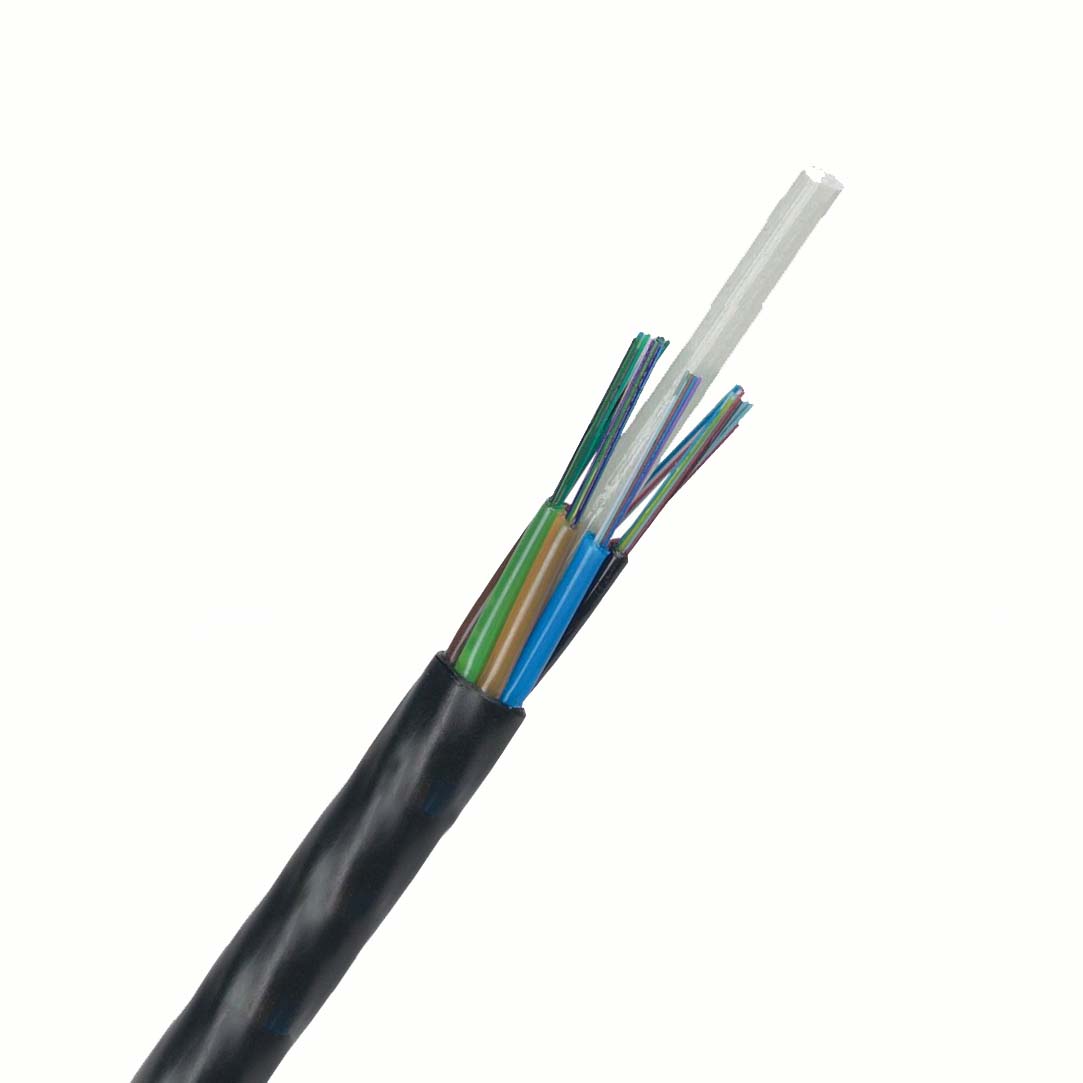
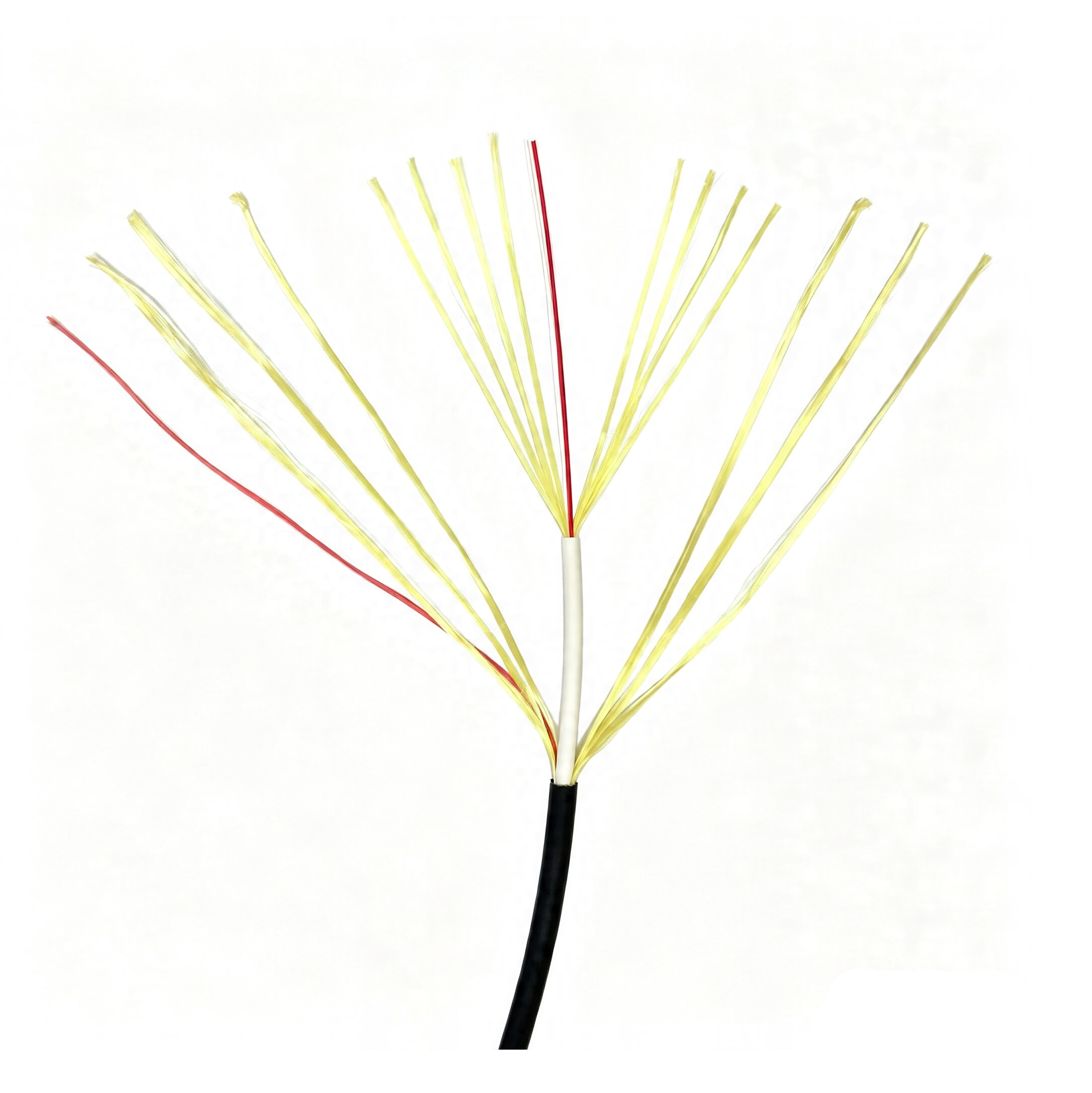
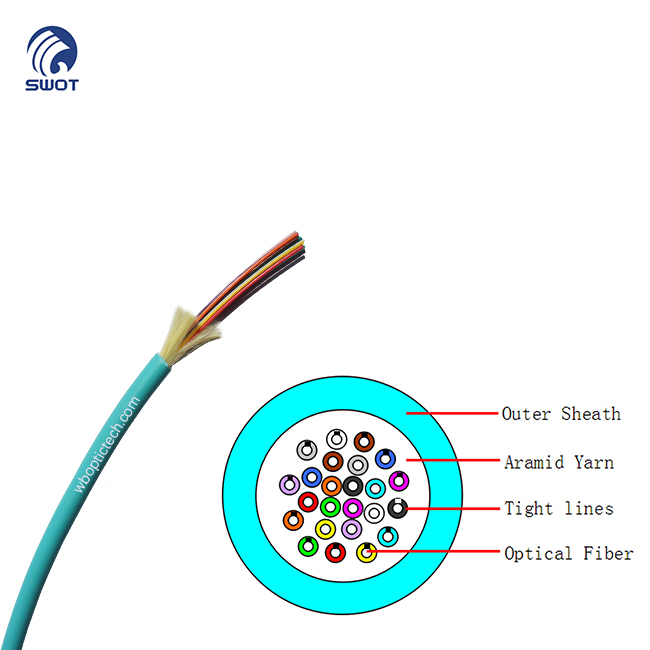
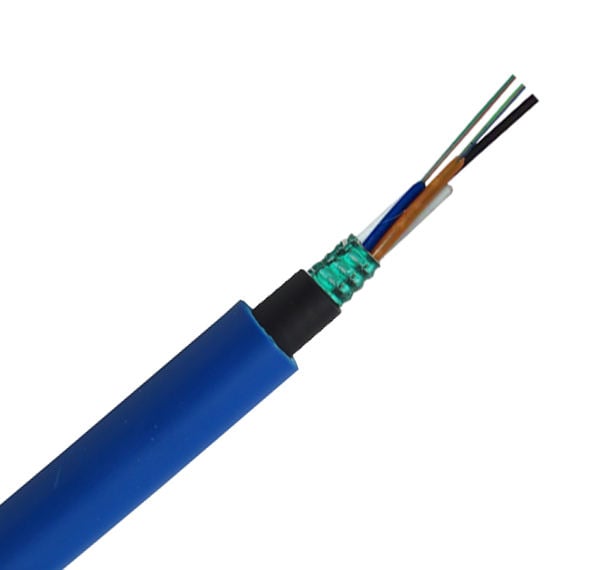
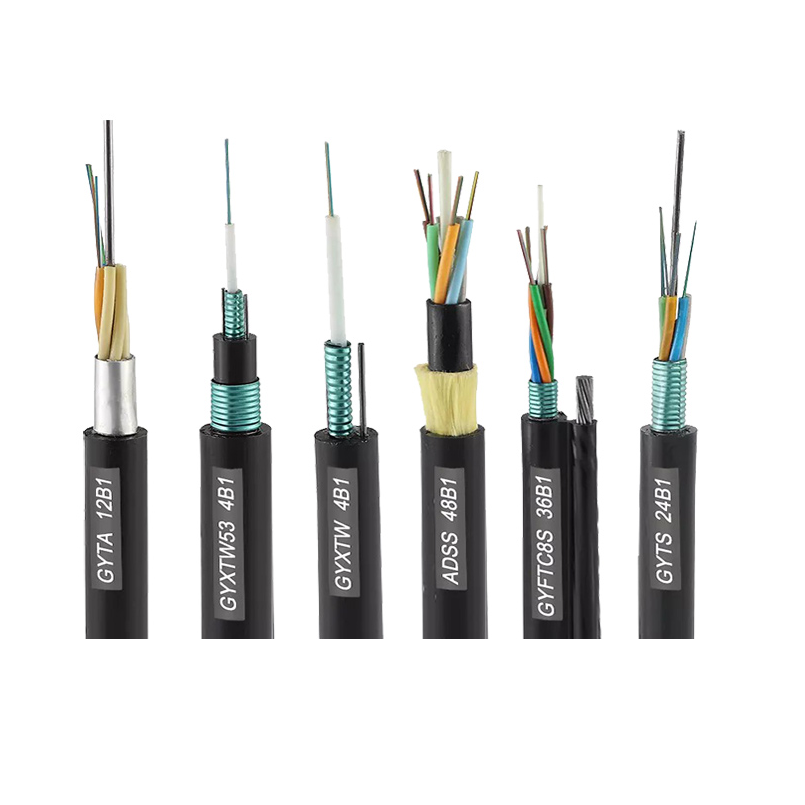
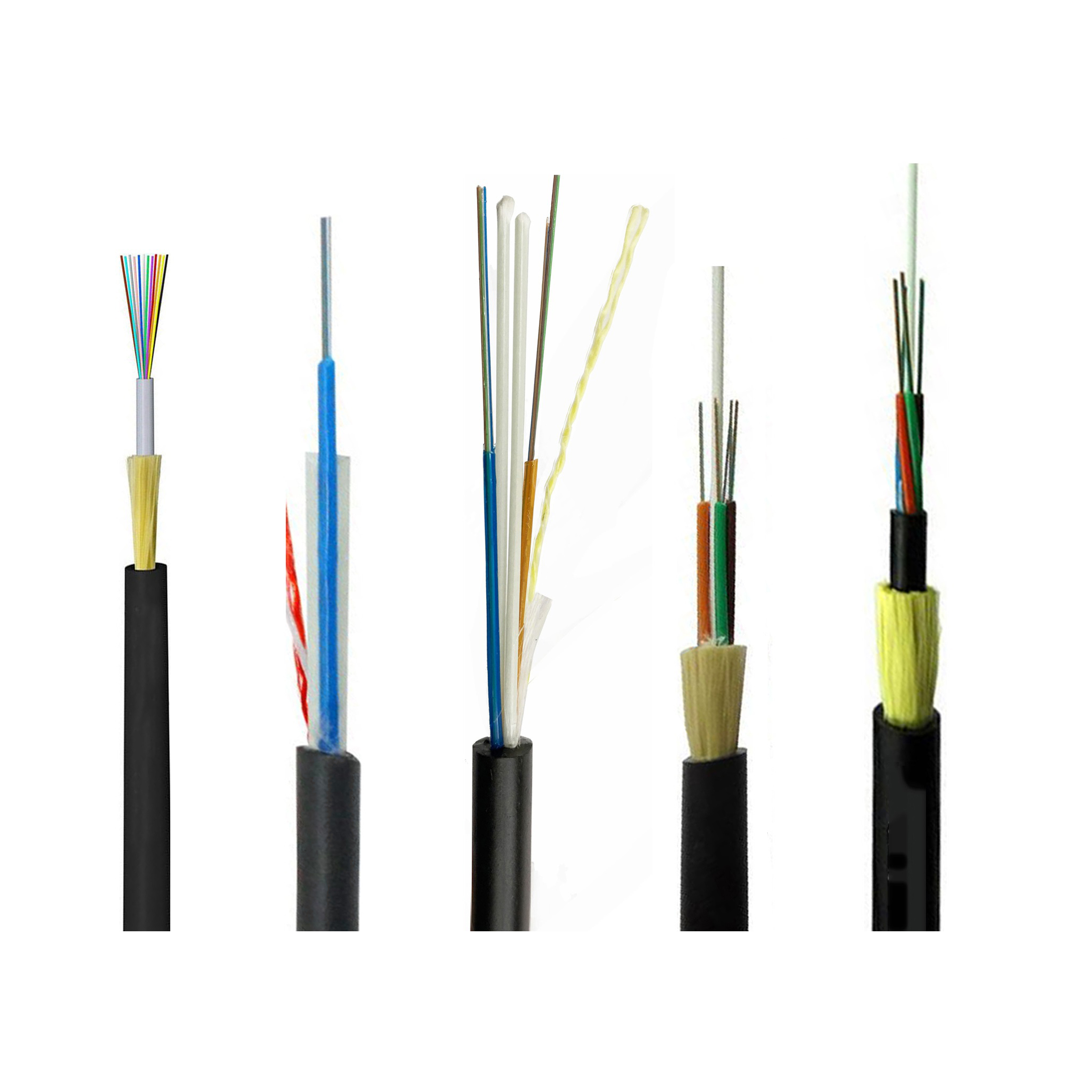
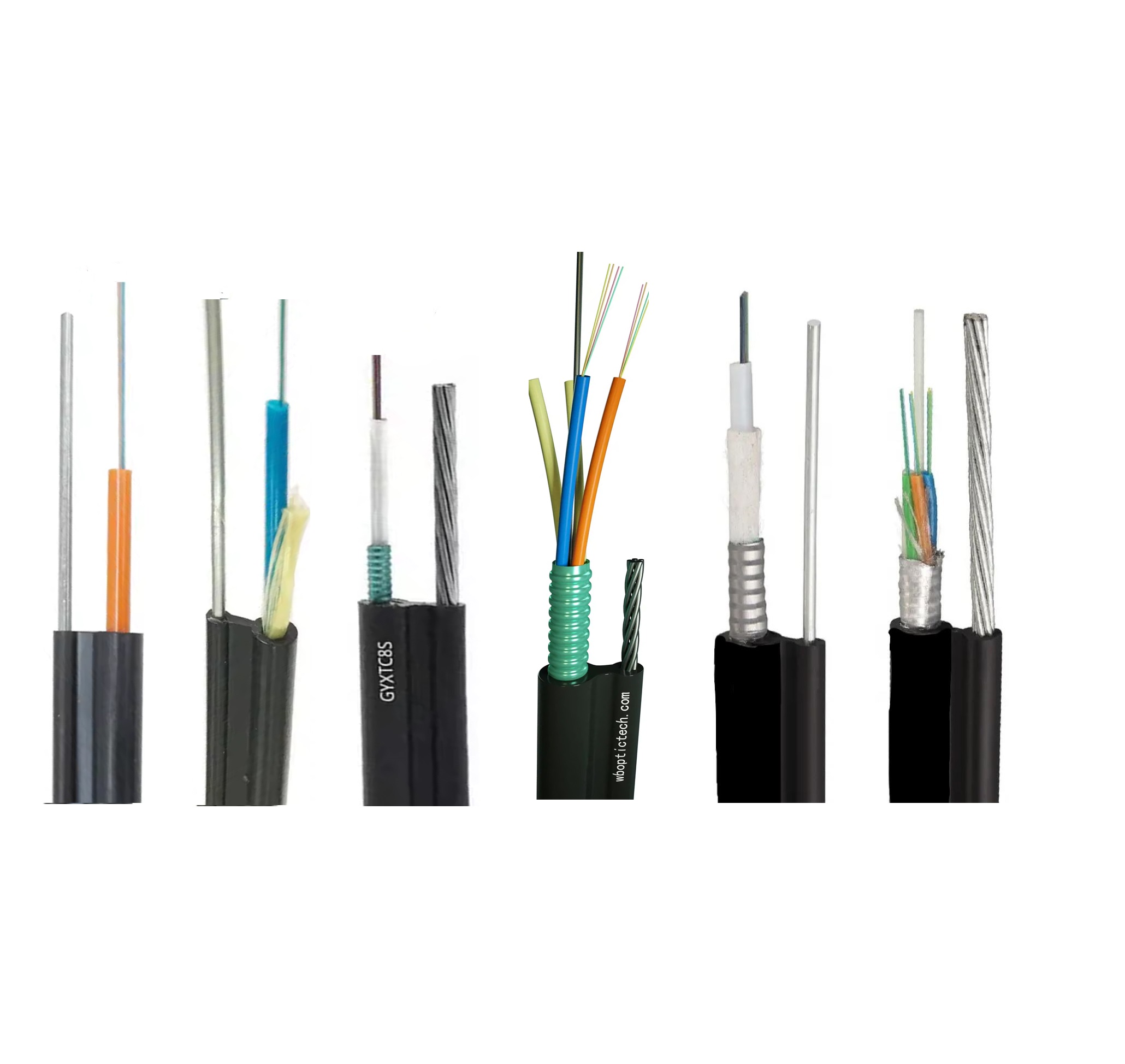
A fiber optic communication cable represents a revolutionary technology in modern telecommunications infrastructure. This advanced fiber optic communication cable uses hair-thin glass or plastic fibers to transmit data as pulses of light, enabling unprecedented speed and reliability in information transfer. The fiber optic communication cable operates by converting electrical signals into optical signals, which travel through the core at the speed of light, then converts them back to electrical signals at the destination. The main functions of a fiber optic communication cable include high-speed data transmission across vast distances without signal degradation. Unlike traditional copper cables, a fiber optic communication cable maintains signal integrity over hundreds of kilometers, making it ideal for long-distance communications. The technological features of fiber optic communication cables include exceptional bandwidth capacity, immunity to electromagnetic interference, and minimal signal loss. These cables consist of multiple layers: a central glass core surrounded by cladding that reflects light, a protective buffer layer, and an outer jacket. Applications of fiber optic communication cable span telecommunications networks, internet backbone infrastructure, medical imaging systems, military communications, and financial institutions requiring secure data transmission. The fiber optic communication cable has become essential in data centers supporting cloud computing and streaming services. Industries worldwide depend on fiber optic communication cable technology for reliable, high-capacity communication. Whether connecting continents or supporting local networks, fiber optic communication cable installations continue expanding as organizations demand faster, more dependable connectivity solutions.

Popular Products

Fiber optic communication cables deliver transformative benefits that reshape how organizations handle data transmission. The primary advantage of fiber optic communication cable technology is its exceptional speed, transmitting data at nearly the speed of light while maintaining perfect signal quality across enormous distances. Businesses using fiber optic communication cable experience dramatically faster internet speeds, reduced latency, and improved user experiences for customers and employees alike. Operationally, fiber optic communication cable systems eliminate the signal degradation problems that plague traditional copper infrastructure. Organizations eliminate expensive signal boosters and repeaters, reducing maintenance costs significantly. Fiber optic communication cable networks require minimal maintenance while delivering consistent performance year after year, directly improving your operational efficiency and bottom line profitability. The security advantages of fiber optic communication cable are remarkable. Unlike copper cables that emit electromagnetic radiation that can be intercepted, fiber optic communication cable transmits data invisibly through light signals. This makes your sensitive information virtually impossible to tap into, providing peace of mind for financial transactions, medical records, and confidential business communications. Your data stays protected naturally through the cable's design. Fiber optic communication cable installation suits businesses anticipating growth and demanding scalability. As your needs expand, fiber optic communication cable networks easily accommodate increased traffic without requiring complete infrastructure replacement. Educational institutions, hospitals, government agencies, and enterprises all benefit from this flexibility. The decision to upgrade to fiber optic communication cable technology positions your organization for success in an increasingly digital world. Your competitive advantage grows substantially when you leverage fiber optic communication cable's superior performance, reliability, and security capabilities.

Practical Tips

How Can a Fiber Optic Joint Box Improve Network Protection?

01

Jul

How Can a Fiber Optic Joint Box Improve Network Protection?

Network infrastructure faces constant threats from environmental exposure, physical damage, and operational stress. A fiber optic joint box serves as a critical protective enclosure that safeguards fiber optic connections, splice points, and signal t...
View More
Which Fiber Optic Cable Fits Different Installation Needs Best?

15

Jul

Which Fiber Optic Cable Fits Different Installation Needs Best?

Selecting the right fiber optic cable for your specific installation needs is one of the most critical decisions in modern networking infrastructure. The wrong choice can lead to performance bottlenecks, costly reinstallation, and unnecessary downtim...
View More
How Can Fiber Optic Cable Support Future Network Expansion?

01

Aug

How Can Fiber Optic Cable Support Future Network Expansion?

As organizations scale their digital operations, network infrastructure must evolve to support exponential data growth. Fiber optic cable has become the backbone of modern network expansion strategies, offering unmatched capacity, speed, and reliabil...
View More
How Does Fiber Optic Cable Reduce Long-Term Network Costs?

29

Jul

How Does Fiber Optic Cable Reduce Long-Term Network Costs?

When evaluating long-term network infrastructure investments, many organizations struggle to justify the upfront costs of upgrading to modern solutions. However, fiber optic cable technology delivers a compelling financial case that extends far beyon...
View More

Get a Free Quote

Our representative will contact you soon.
Email
Mobile
Name
Company Name
Message
0/1000

fiber optic communication cable

Lightning-Fast Data Transmission Speeds

Lightning-Fast Data Transmission Speeds

Fiber optic communication cables transmit data at approximately 70 percent of light speed, fundamentally transforming how quickly information moves through your network infrastructure. Traditional copper-based systems simply cannot match the speed that fiber optic communication cable technology delivers. Users experience near-instantaneous access to cloud applications, streaming services, and large file transfers. The fiber optic communication cable's exceptional bandwidth capacity means multiple users can share the network simultaneously without experiencing slowdowns or congestion. Your organization gains a significant competitive advantage when employees and customers access information instantly without frustrating delays. Video conferencing becomes crystal clear, large database queries execute immediately, and real-time applications perform flawlessly. Whether supporting hundreds or thousands of simultaneous users, fiber optic communication cable maintains consistent speed and responsiveness that copper alternatives cannot guarantee. This superior performance directly translates to increased productivity, enhanced user satisfaction, and improved business outcomes for organizations that embrace fiber optic communication cable technology.
Superior Reliability and Signal Integrity

Superior Reliability and Signal Integrity

Fiber optic communication cables maintain perfect signal quality over extraordinarily long distances without requiring expensive intermediate boosters or repeaters. Unlike copper cables that lose signal strength proportionally to distance traveled, fiber optic communication cable preserves signal integrity even after traveling hundreds of kilometers. The fiber optic communication cable's immunity to electromagnetic interference means your data transmission remains completely unaffected by power lines, radio signals, or electrical equipment operating nearby. Medical facilities, laboratories, and sensitive manufacturing environments particularly benefit from fiber optic communication cable's interference-free operation. Your fiber optic communication cable network delivers consistent performance in any weather condition, from extreme heat to freezing temperatures, ensuring reliability regardless of environmental factors. Network downtime becomes virtually nonexistent when you implement fiber optic communication cable infrastructure. Organizations that deploy fiber optic communication cable experience dramatically reduced maintenance requirements, longer service intervals, and extended equipment lifespan. The inherent durability and reliability of fiber optic communication cable technology make it the optimal choice for mission-critical applications where failure is simply unacceptable.
Enhanced Security and Future-Proof Technology

Enhanced Security and Future-Proof Technology

Fiber optic communication cables provide inherent security advantages that separate them from traditional copper infrastructure completely. The fiber optic communication cable transmits information through invisible light pulses traveling through microscopic glass fibers, making unauthorized signal interception virtually impossible without physically cutting the cable. This natural security characteristic protects sensitive financial transactions, proprietary business information, and confidential personal data from sophisticated eavesdropping attempts. Your fiber optic communication cable investment remains relevant for decades as technology evolves and bandwidth demands increase exponentially. Unlike copper systems that require complete replacement as needs grow, fiber optic communication cable infrastructure easily accommodates future requirements through simple software upgrades and additional fiber installation. Organizations implementing fiber optic communication cable now avoid costly infrastructure overhauls later. The fiber optic communication cable represents a future-proof investment that protects your technology budget while ensuring your network stays current with advancing demands and emerging applications.

Get a Free Quote

Our representative will contact you soon.
Email
Mobile
Name
Company Name
Message
0/1000