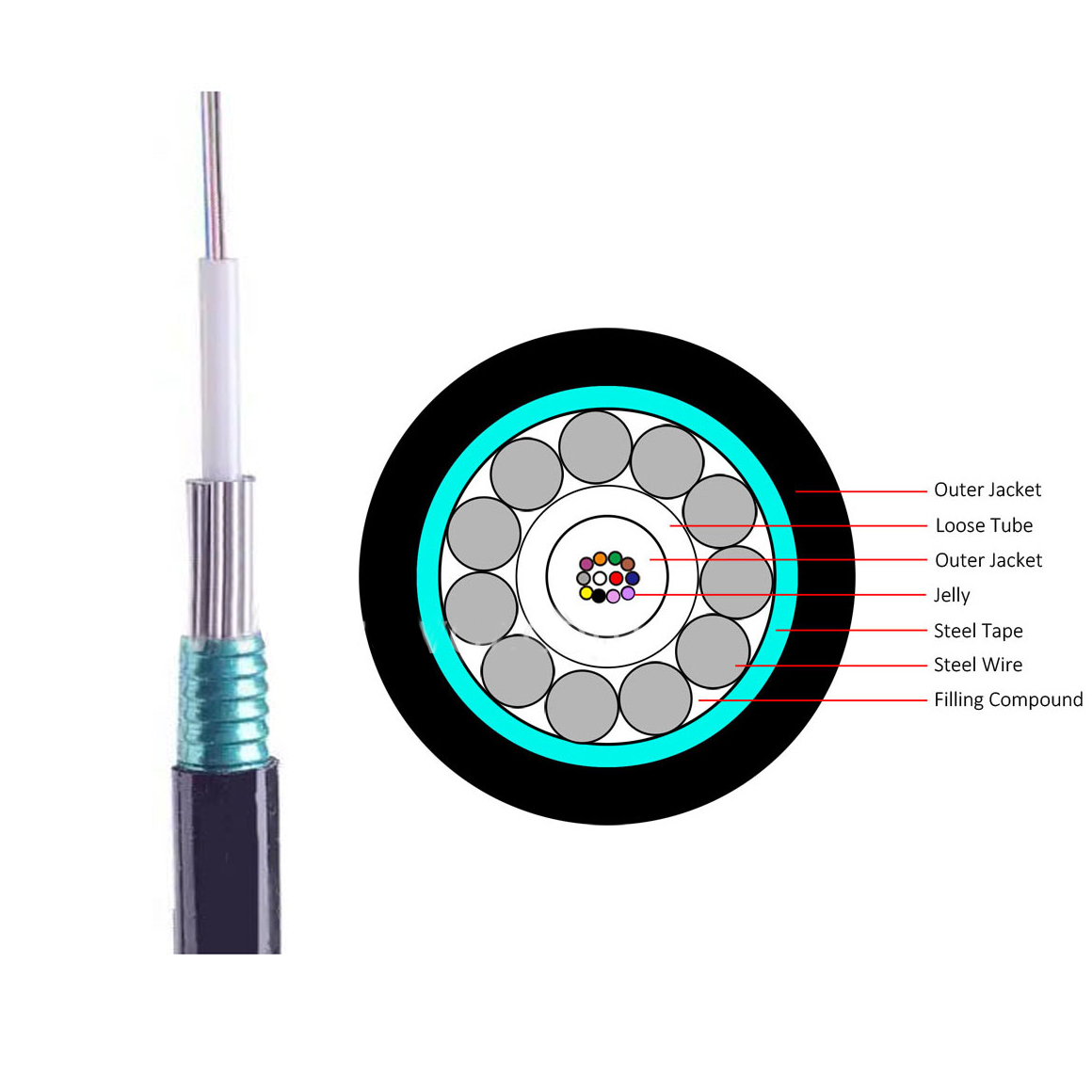
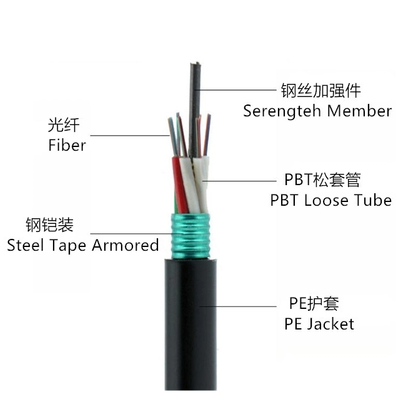
underground fiber optic cable
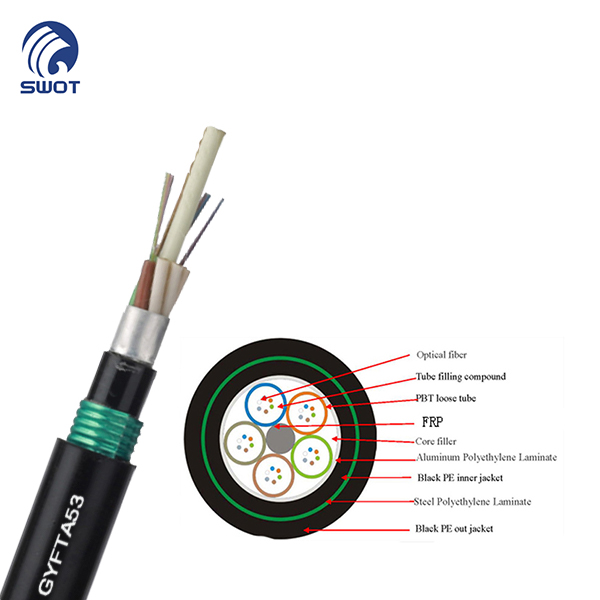
An underground fiber optic cable is a high-speed data transmission infrastructure designed to carry digital signals through underground pathways. This advanced cabling system uses fiber optic technology to transmit information at the speed of light, making it an essential component of modern telecommunications networks. The underground fiber optic cable consists of thin glass or plastic fibers wrapped in protective layers, enabling it to withstand harsh environmental conditions while buried beneath streets, landscapes, and properties.
The primary function of an underground fiber optic cable is to deliver reliable, high-bandwidth internet and communication services to residential areas, businesses, and institutions. Unlike traditional copper cables, the underground fiber optic cable offers superior performance by transmitting data through light pulses rather than electrical signals, resulting in faster speeds and greater capacity. Technological features of the underground fiber optic cable include advanced shielding to prevent external interference, multiple layers of protective coating to resist moisture and physical damage, and sophisticated splicing techniques for seamless connections across long distances.
Applications of the underground fiber optic cable span across numerous industries, including telecommunications, internet service provision, data centers, and institutional networks. The underground fiber optic cable is increasingly deployed in smart city projects, enabling connected infrastructure and IoT devices. Municipalities utilize the underground fiber optic cable for public safety communications, traffic management systems, and emergency response networks. Educational institutions and healthcare facilities depend on the underground fiber optic cable to maintain secure, high-speed connections for research, patient records, and institutional operations, establishing it as critical infrastructure for modern society.

 EN