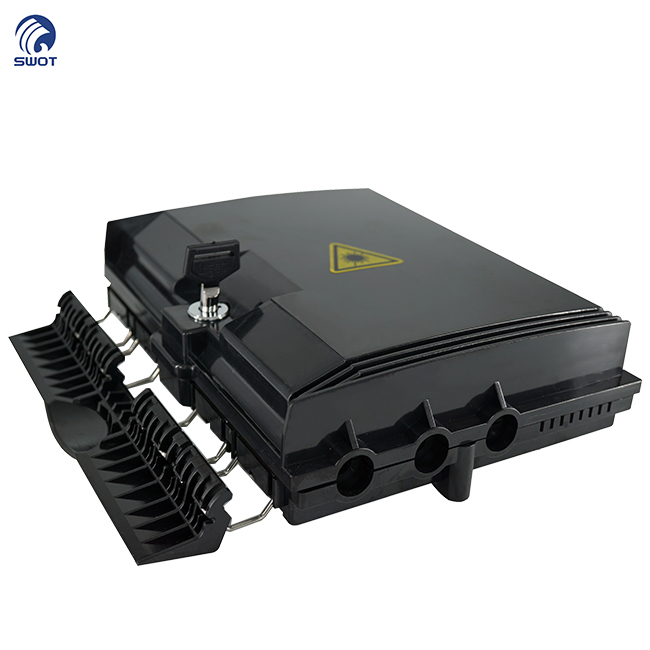
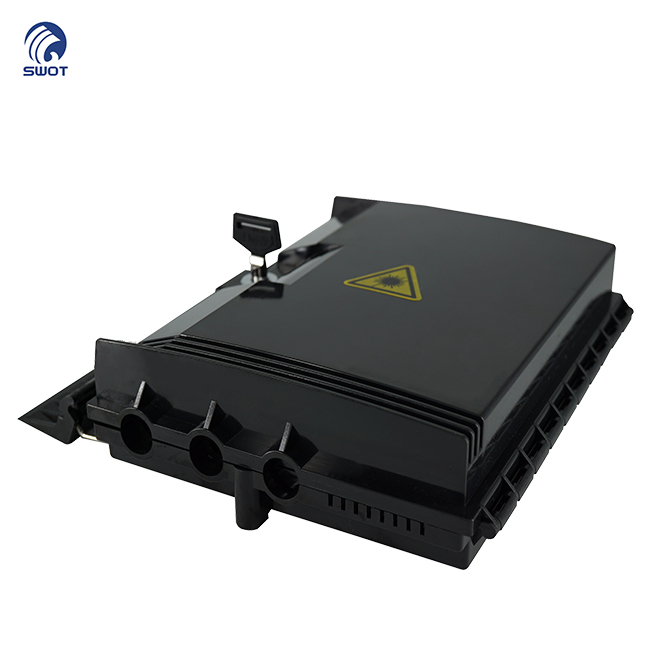
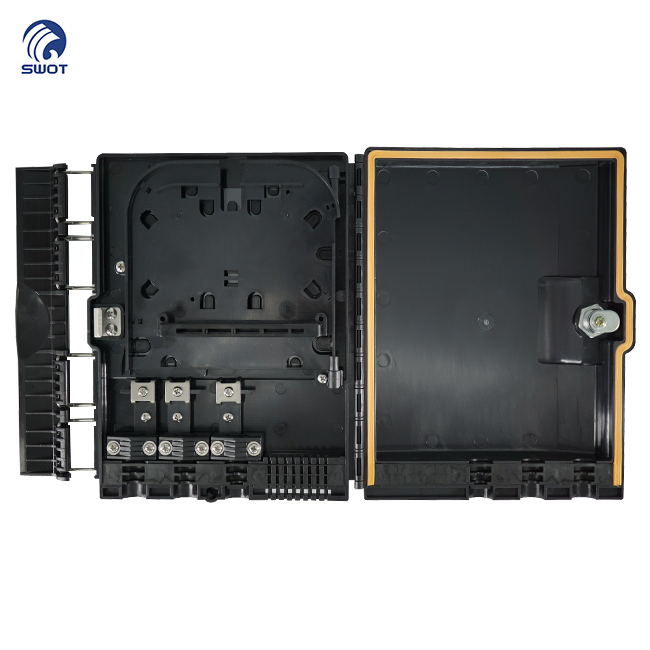
Fiber Distribution Terminal: Network Management Solutions

Get a Free Quote

Our representative will contact you soon.
Email
Mobile
Name
Company Name
Message
0/1000

fiber distribution terminal

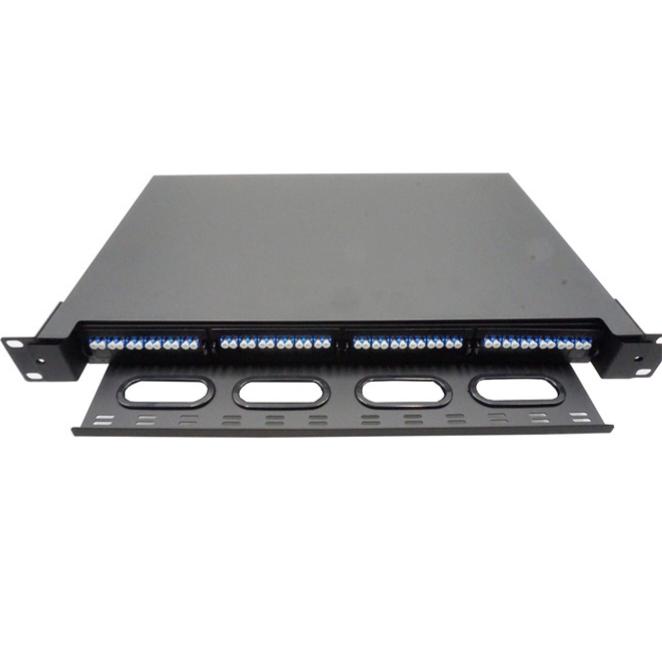
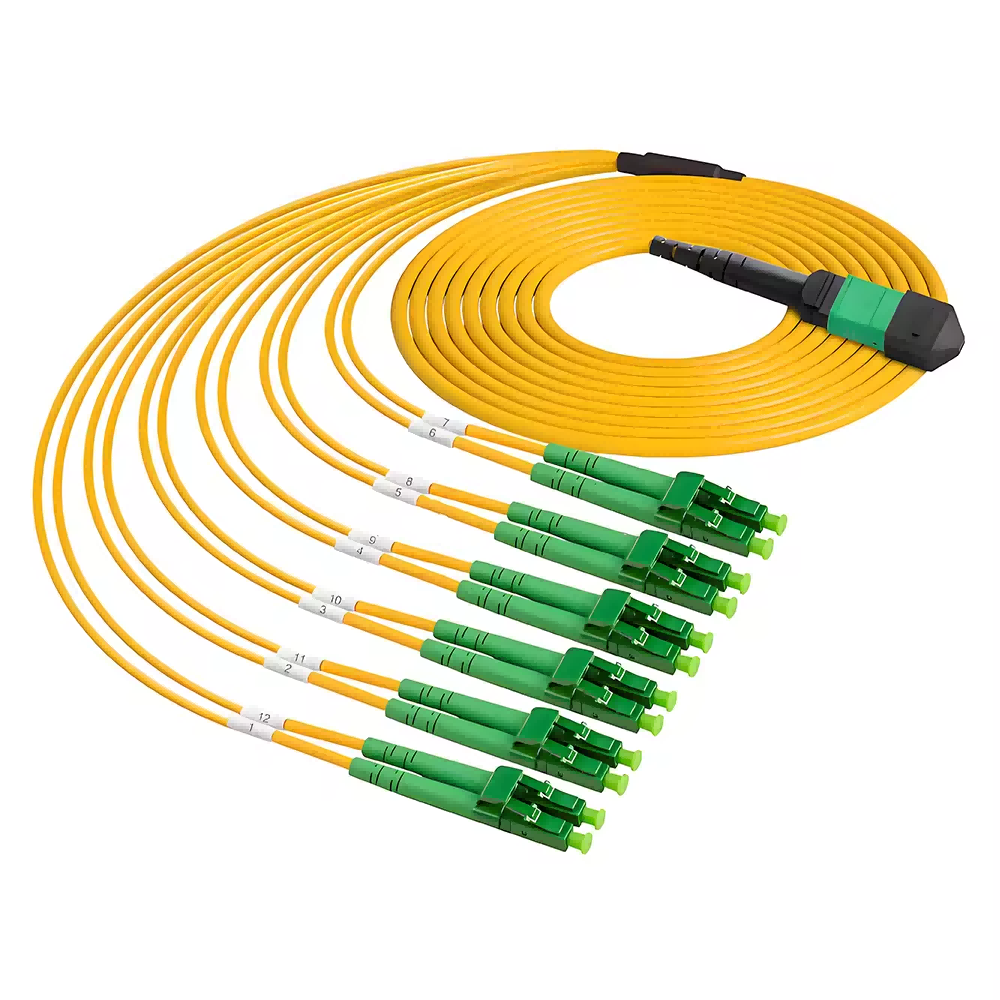
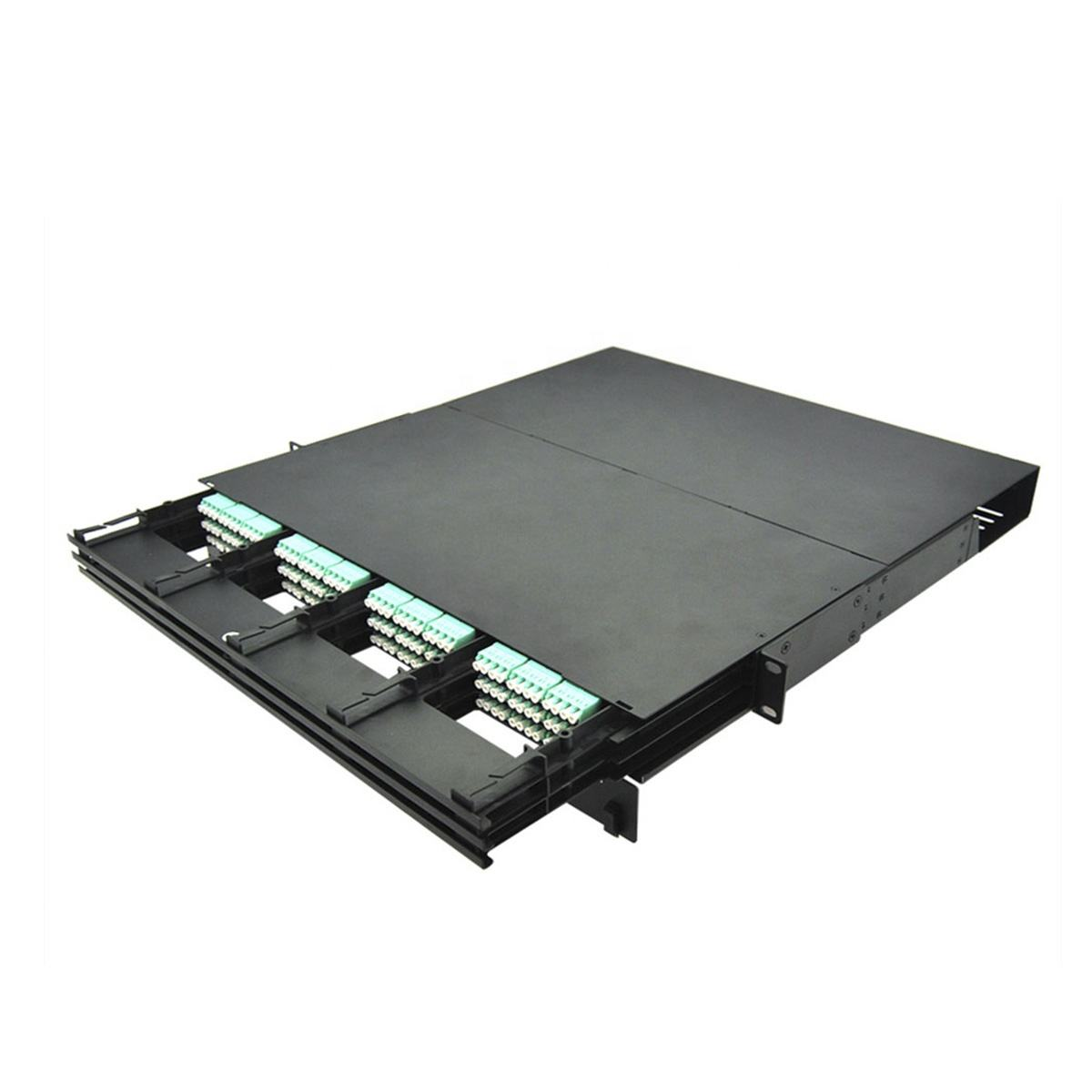
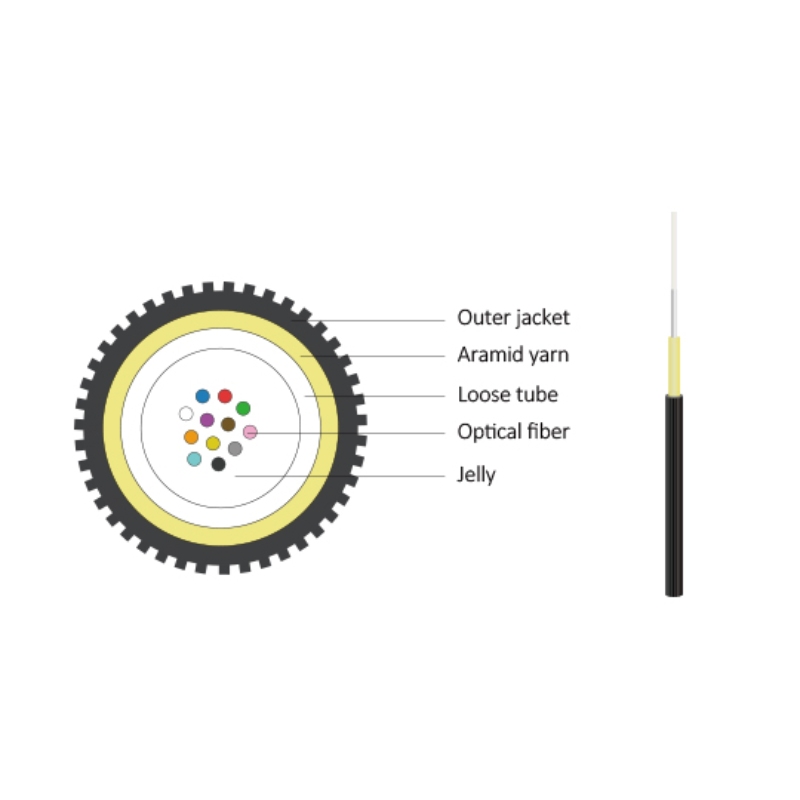
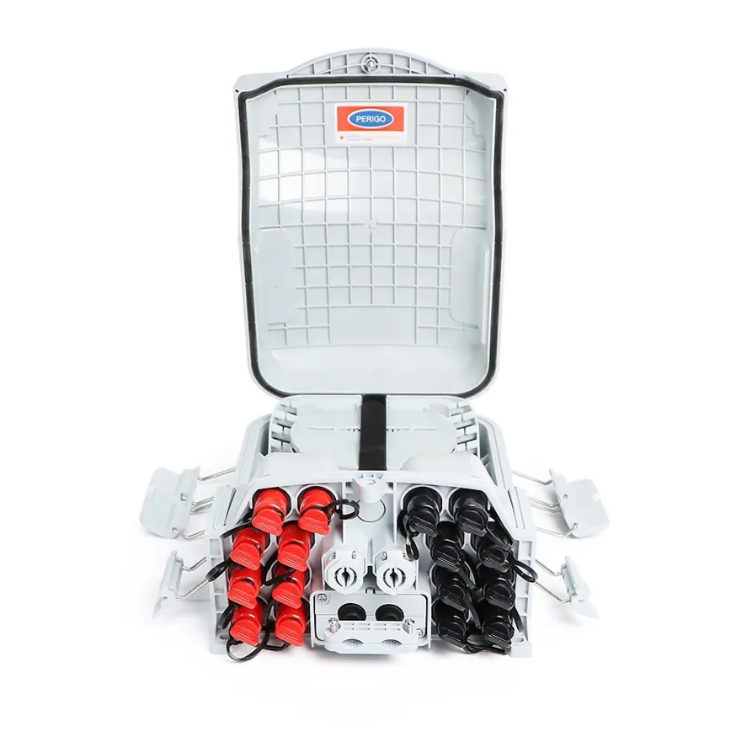
A fiber distribution terminal serves as a critical infrastructure component in modern telecommunications networks, functioning as a central hub for managing optical fiber connections. This specialized equipment consolidates multiple fiber optic cables and directs signals to appropriate destinations with precision and efficiency. The fiber distribution terminal operates by receiving incoming optical signals and distributing them through organized pathways, ensuring seamless connectivity across extensive network systems. The technological features of a fiber distribution terminal include advanced optical management systems, high-capacity fiber splicing capabilities, and robust environmental protection mechanisms. These systems maintain signal integrity while accommodating numerous fiber connections simultaneously. Modern fiber distribution terminals incorporate splice trays, cable management solutions, and secure locking mechanisms to protect sensitive optical components from physical damage and environmental interference. Applications for the fiber distribution terminal span various sectors including telecommunications, data centers, enterprise networks, and internet service providers. Organizations deploy fiber distribution terminals to establish reliable backbone networks that support high-speed data transmission across geographic regions. The fiber distribution terminal technology enables businesses to scale their network infrastructure while maintaining consistent performance and minimal signal loss. By centralizing fiber management, these terminals reduce installation complexity and streamline network maintenance procedures. Industries ranging from healthcare to financial services depend on fiber distribution terminal solutions to support their critical communication requirements and ensure uninterrupted service delivery to customers and stakeholders.

New Product Releases

The fiber distribution terminal delivers substantial operational benefits that transform how organizations manage their network infrastructure. First, this equipment significantly reduces installation time by centralizing fiber connections in one manageable location, allowing technicians to work more efficiently. Companies experience reduced labor costs and faster deployment compared to dispersed connection points. Operational efficiency represents another key advantage of implementing a fiber distribution terminal. By organizing fiber pathways systematically, networks require less maintenance intervention and experience fewer connectivity disruptions. The fiber distribution terminal minimizes signal degradation through optimized routing and protection from environmental stressors. Organizations can monitor and troubleshoot connections more quickly, reducing downtime and improving overall network reliability. The fiber distribution terminal provides exceptional scalability for growing businesses. Network administrators can easily add new connections without completely restructuring existing infrastructure. This flexibility allows companies to expand operations and accommodate increasing bandwidth demands without prohibitive costs or extensive downtime. Financial benefits emerge through reduced cable waste and optimized resource allocation. The fiber distribution terminal maximizes the utility of existing fiber optic infrastructure while minimizing the need for costly replacements. Businesses achieve superior return on investment by extending equipment lifespan and improving network performance simultaneously. For data centers and telecommunications providers, the fiber distribution terminal becomes indispensable for managing high-density connections. The system enables better space utilization and improved cable organization, creating safer working environments and facilitating future upgrades. Organizations choosing a fiber distribution terminal gain competitive advantages through enhanced network stability, rapid scalability, and controlled operational expenses that directly impact profitability and service quality.

Latest News

Which Fiber Optic Joint Box Fits Underground Installations?

08

Jul

Which Fiber Optic Joint Box Fits Underground Installations?

Selecting the correct fiber optic joint box for underground installations is one of the most critical decisions in deploying reliable buried fiber optic cable systems. The fiber optic joint box must withstand soil pressure, moisture infiltration, tem...
View More
Which Fiber Optic Cable Fits Different Installation Needs Best?

15

Jul

Which Fiber Optic Cable Fits Different Installation Needs Best?

Selecting the right fiber optic cable for your specific installation needs is one of the most critical decisions in modern networking infrastructure. The wrong choice can lead to performance bottlenecks, costly reinstallation, and unnecessary downtim...
View More
How Can Fiber Optic Cable Support Future Network Expansion?

01

Aug

How Can Fiber Optic Cable Support Future Network Expansion?

As organizations scale their digital operations, network infrastructure must evolve to support exponential data growth. Fiber optic cable has become the backbone of modern network expansion strategies, offering unmatched capacity, speed, and reliabil...
View More
How Does a Fiber Optic Terminal Box Simplify Maintenance?

04

Aug

How Does a Fiber Optic Terminal Box Simplify Maintenance?

Modern telecommunications networks depend on reliable infrastructure that minimizes downtime and simplifies ongoing maintenance. A fiber optic terminal box serves as a critical hub in optical networks, providing a centralized point for managing, orga...
View More

Get a Free Quote

Our representative will contact you soon.
Email
Mobile
Name
Company Name
Message
0/1000

fiber distribution terminal

Optimized Fiber Management and Organization

Optimized Fiber Management and Organization

The fiber distribution terminal revolutionizes how networks organize and manage optical connections. This system consolidates hundreds of fiber strands into organized, accessible configurations that eliminate confusion and reduce connection errors. Cable management features within the fiber distribution terminal include dedicated routing channels, color-coded identification systems, and clearly labeled pathways. These organizational elements dramatically simplify maintenance procedures and reduce the time technicians spend locating specific connections. Organizations benefit from improved documentation accuracy and faster troubleshooting when issues arise. The fiber distribution terminal's structured approach prevents cable entanglement and accidental disconnection risks that plague less organized systems. Network administrators gain unprecedented visibility into their entire fiber infrastructure, enabling better planning and resource allocation decisions. This optimization directly translates to reduced operational costs and improved service reliability.
Enhanced Network Reliability and Signal Integrity

Enhanced Network Reliability and Signal Integrity

The fiber distribution terminal maintains exceptional signal quality across all connected routes through advanced optical protection mechanisms. Environmental factors like temperature fluctuations, moisture, and physical vibrations pose significant threats to fiber optic signals, yet the fiber distribution terminal provides comprehensive shielding against these hazards. Sealed enclosures and weather-resistant construction ensure consistent performance regardless of deployment location. Organizations relying on the fiber distribution terminal experience minimal signal loss and dramatic reductions in network outages caused by fiber damage or environmental interference. The equipment's robust design accommodates demanding industrial environments where standard solutions fail. Businesses deploying a fiber distribution terminal achieve service level agreements that satisfy even the most stringent customer requirements. This reliability translates directly into customer confidence, brand reputation enhancement, and competitive differentiation within the marketplace. Companies can commit to uptime guarantees that drive customer loyalty.
Rapid Scalability and Future-Proof Infrastructure

Rapid Scalability and Future-Proof Infrastructure

The fiber distribution terminal enables organizations to scale network capacity without replacing existing infrastructure or incurring excessive costs. As businesses grow, they can seamlessly integrate additional fiber connections into the existing fiber distribution terminal system without disrupting active services. This scalability accommodates bandwidth growth, new service additions, and geographic expansion without complete system redesign. The fiber distribution terminal supports future technology adoption, protecting technology investments and extending equipment lifespan significantly. Organizations can upgrade capabilities incrementally rather than executing costly complete replacements. Companies choosing the fiber distribution terminal position themselves for long-term success by maintaining flexibility in an ever-evolving technology landscape. This forward-thinking approach reduces total cost of ownership and eliminates wasteful over-provisioning of unused capacity, ensuring efficient capital deployment throughout the infrastructure lifecycle.

Get a Free Quote

Our representative will contact you soon.
Email
Mobile
Name
Company Name
Message
0/1000