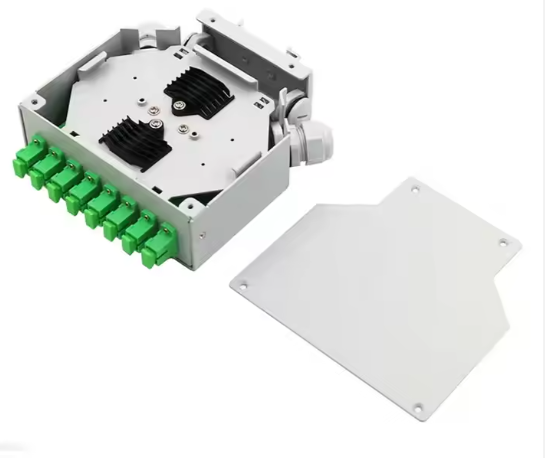
optical terminal box
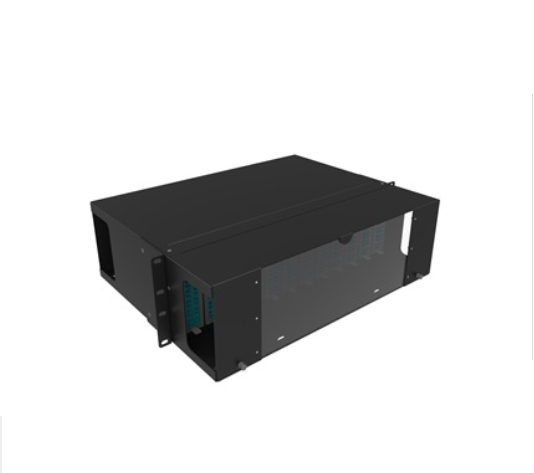
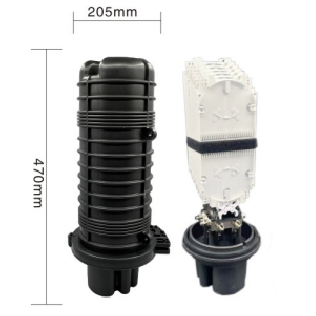
An optical terminal box serves as a critical infrastructure component in modern fiber optic communication networks. This sophisticated device functions as a central connection point where fiber optic cables terminate, organize, and distribute signals throughout telecommunications systems. The optical terminal box manages incoming and outgoing optical signals, ensuring reliable data transmission across vast distances.
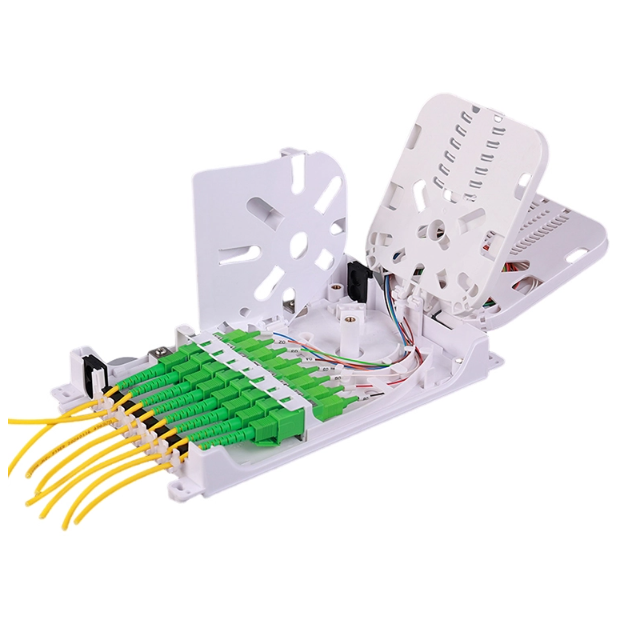
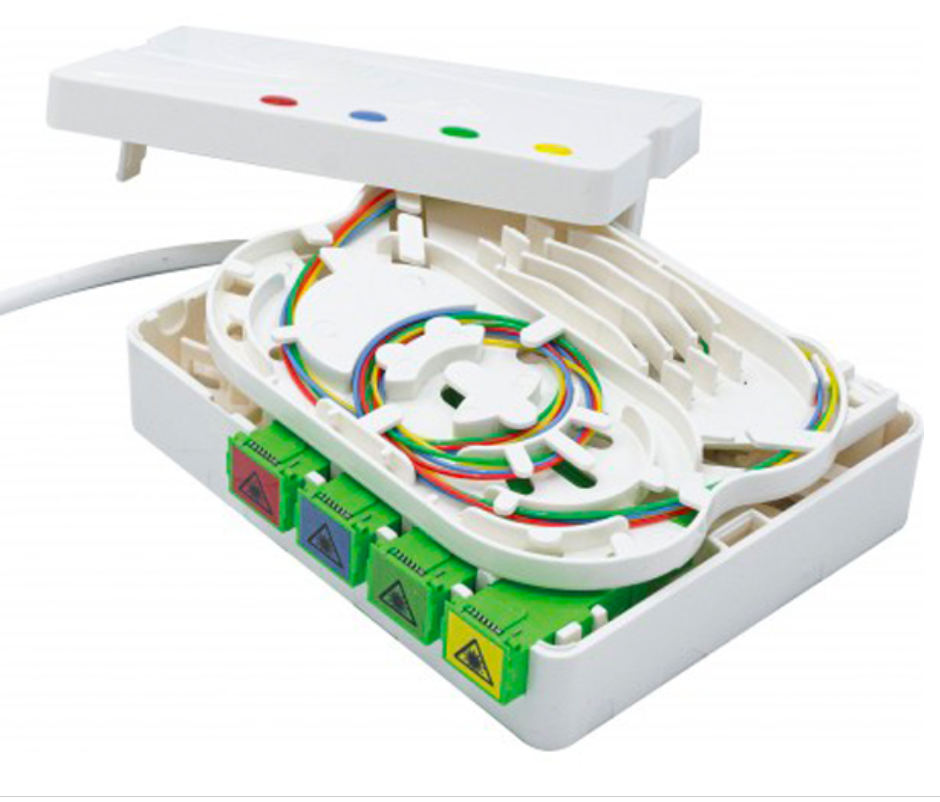
The primary function of an optical terminal box involves signal management and routing. It accepts optical fiber cables from various sources and directs them to appropriate destinations while maintaining signal integrity. The optical terminal box houses specialized adapters, splitters, and connectors that enable seamless connectivity between different network segments.
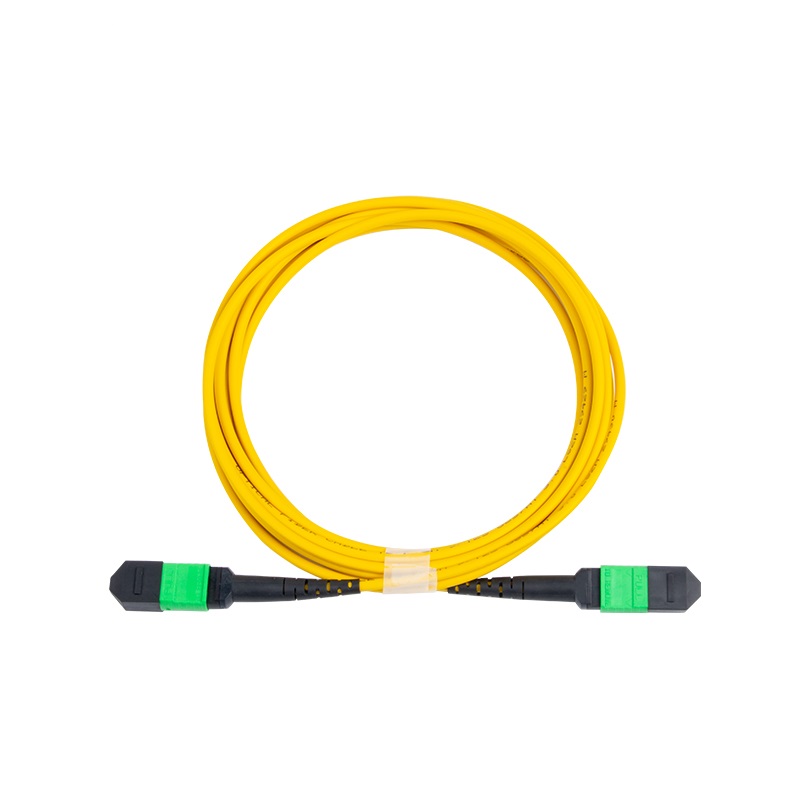
Technologically, an optical terminal box incorporates advanced features including high-density port capacity, precision-engineered components, and weatherproof enclosures. These systems utilize quality optical connectors like LC, SC, or MTP formats, depending on deployment requirements. The optical terminal box often includes splice trays and cable management systems that organize fibers efficiently while preventing signal degradation.
Applications for an optical terminal box span multiple industries and scenarios. Telecommunications companies deploy these devices in central offices, remote terminals, and network distribution hubs. Data centers utilize optical terminal boxes to connect server infrastructure with external networks. Internet service providers rely on these systems for backbone connectivity. Educational institutions and enterprises use optical terminal boxes to establish high-speed internal networks. The optical terminal box proves essential wherever fiber optic infrastructure requires organized, reliable signal distribution and management capabilities.

 EN