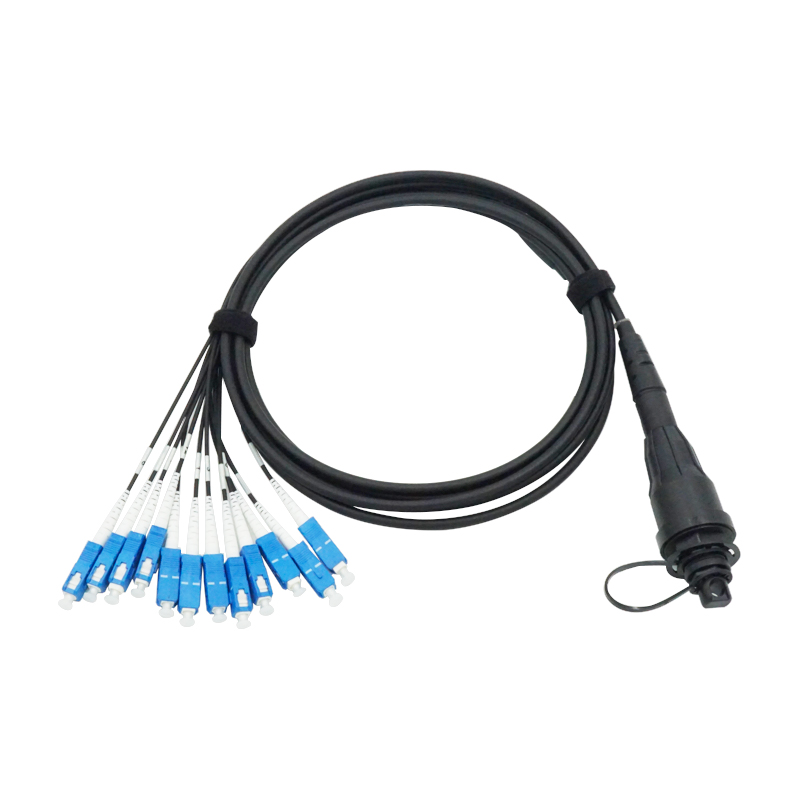
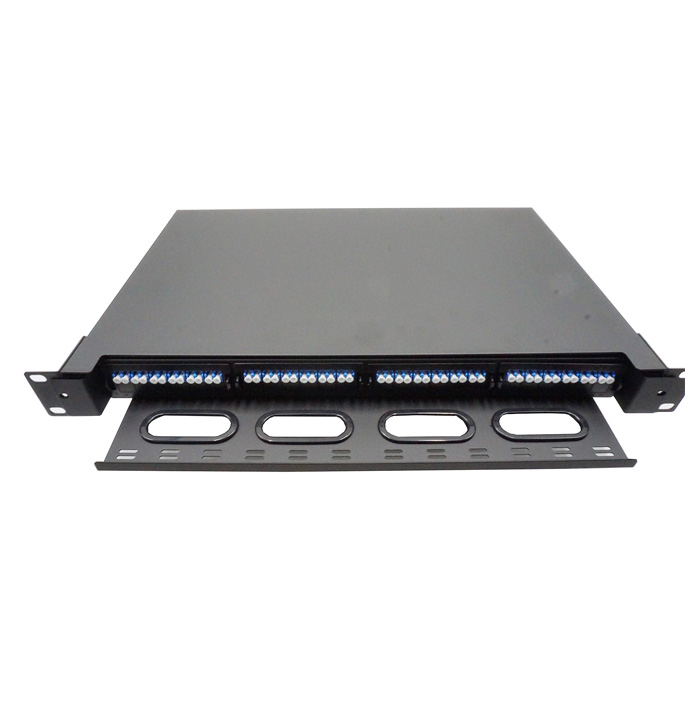
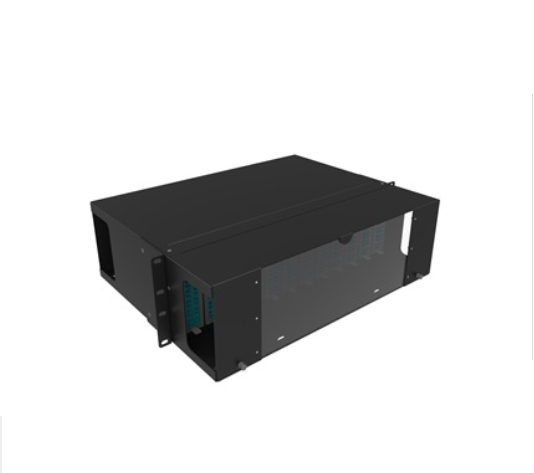
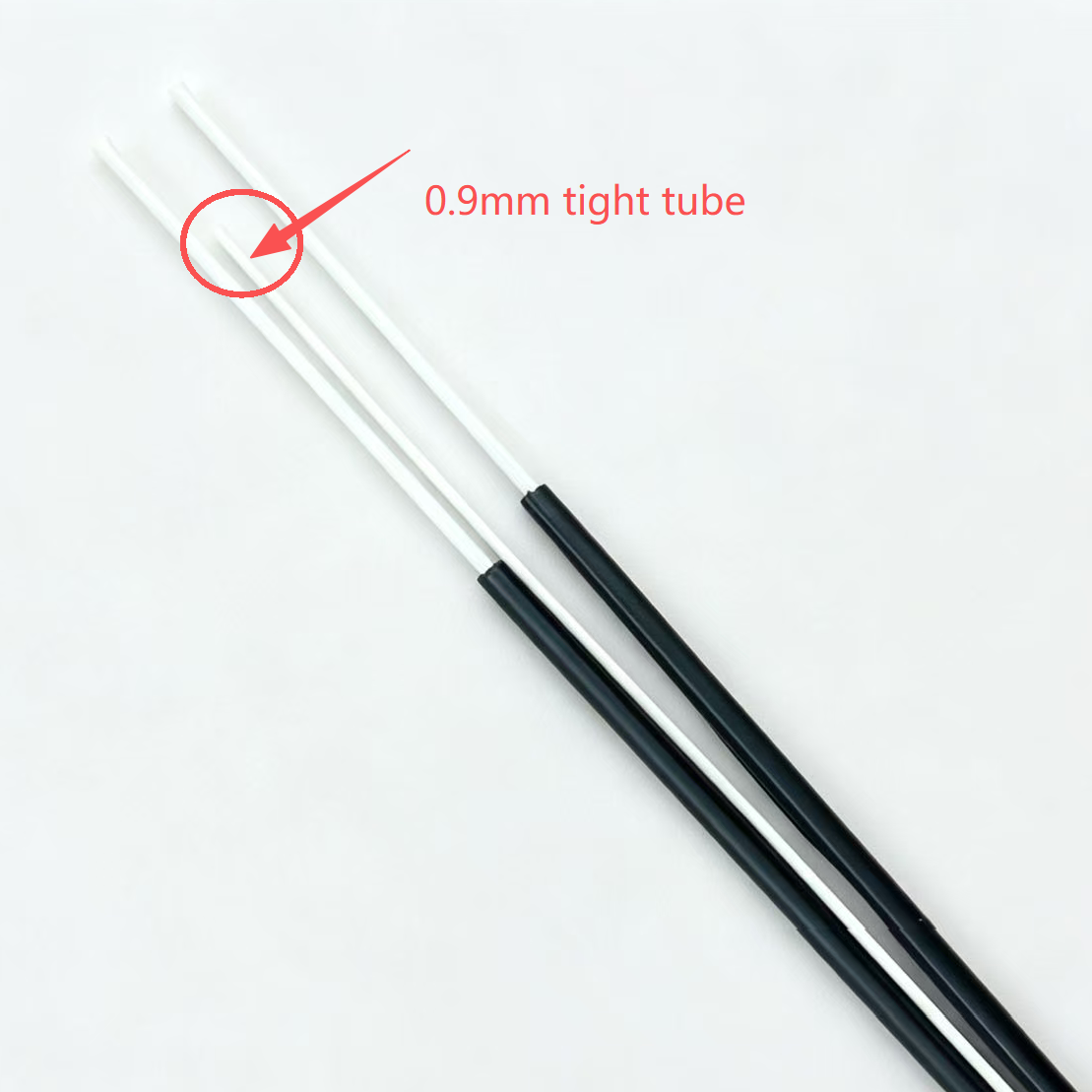
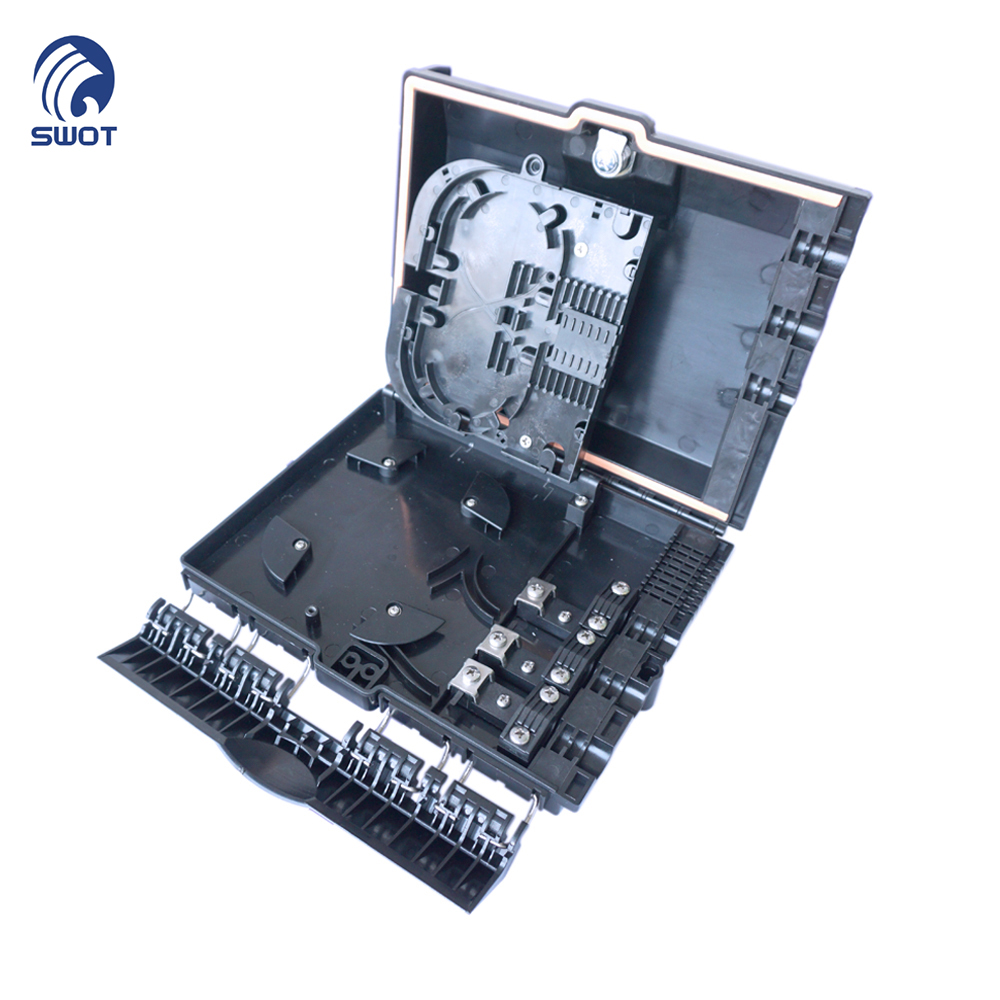
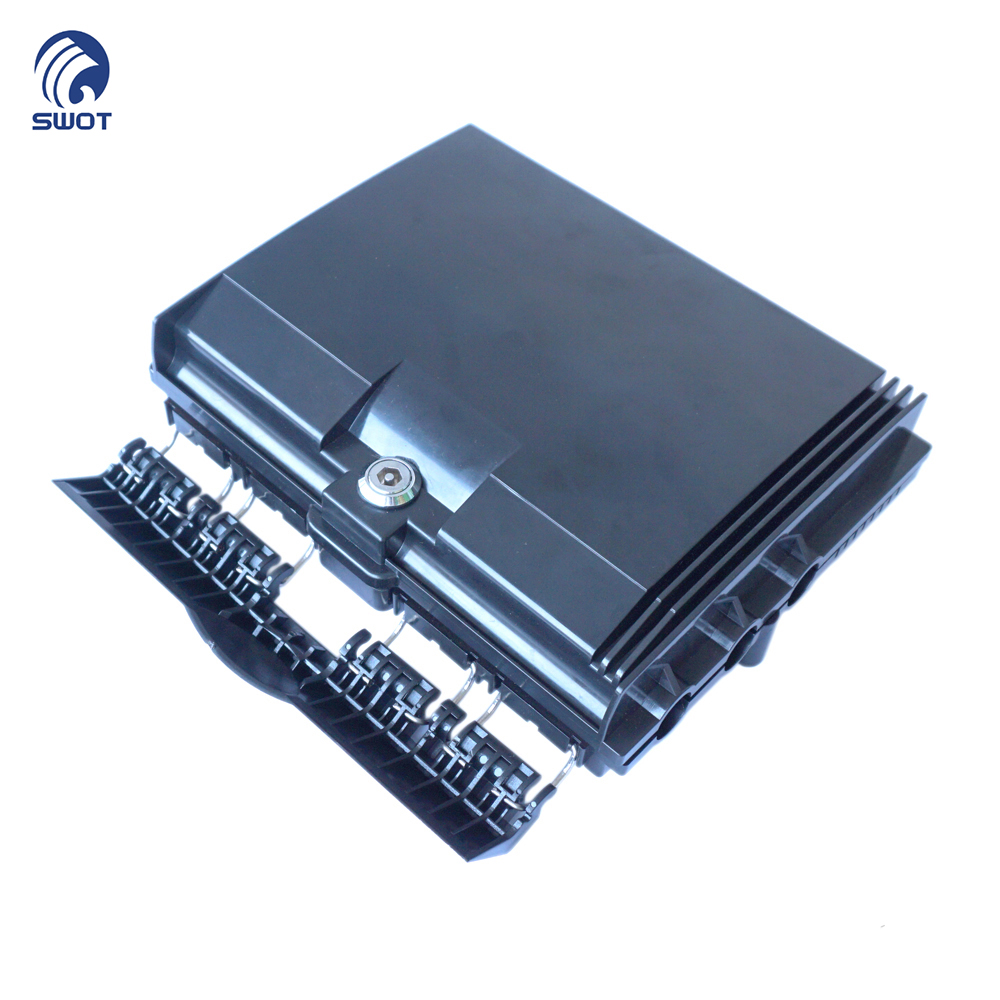
fiber access terminal box
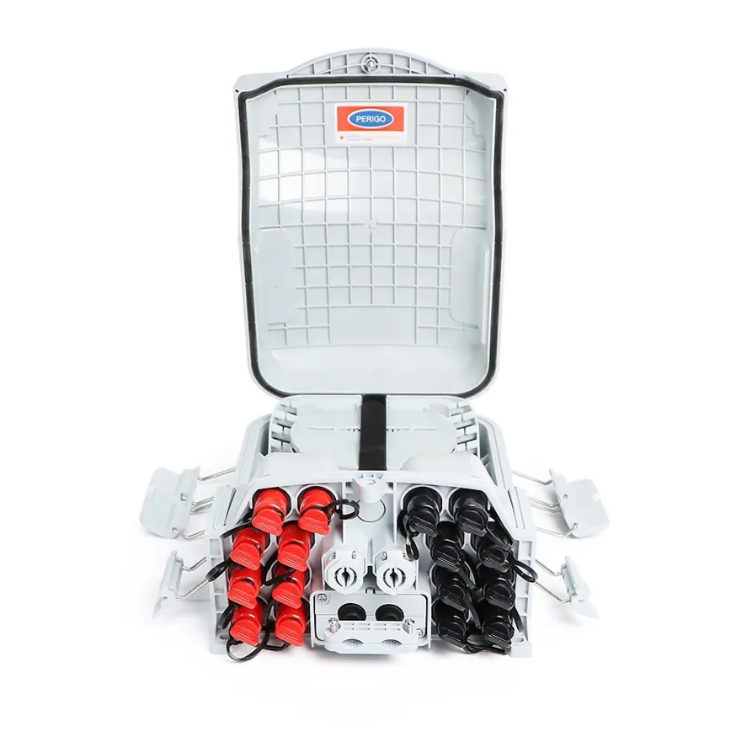
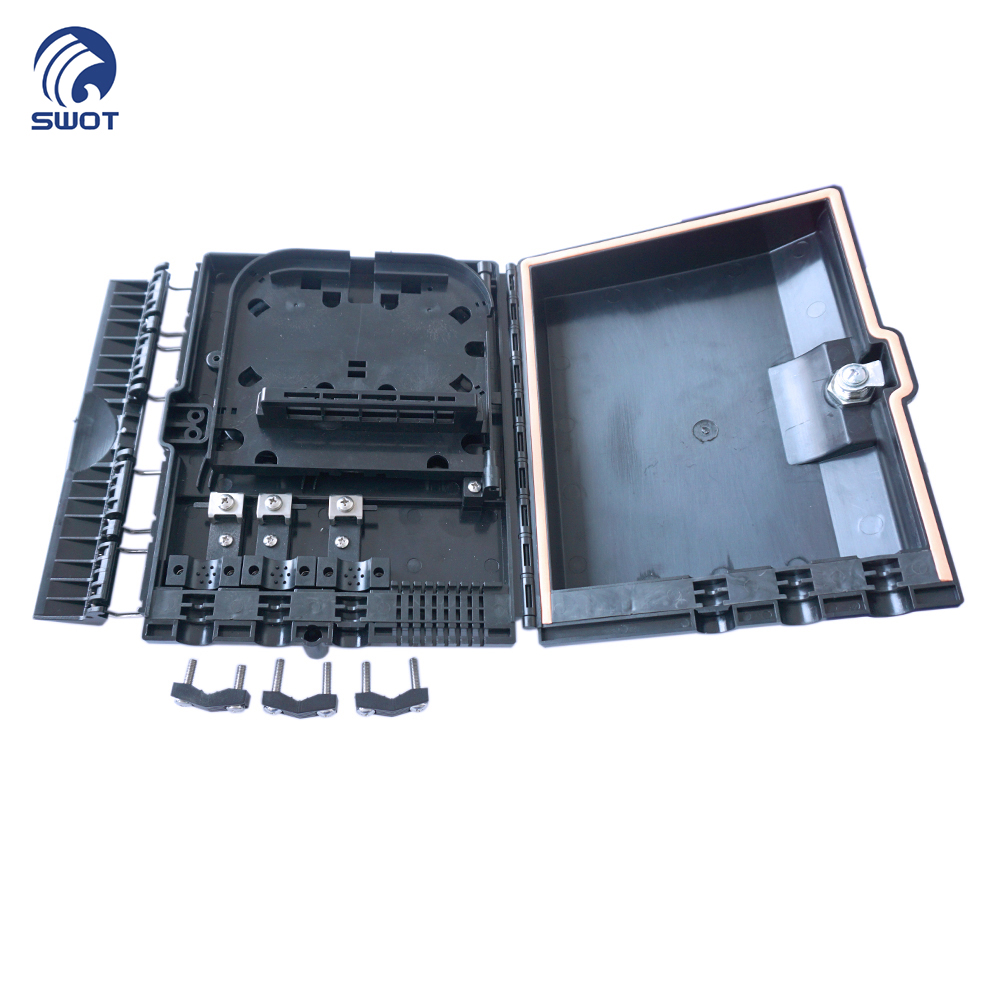
A fiber access terminal box is a critical infrastructure component that serves as the connection point between fiber optic networks and end-user premises. The fiber access terminal box functions as a distribution hub, managing the routing and termination of fiber optic cables while providing essential network access capabilities. This device plays a vital role in modern telecommunications, enabling seamless connectivity for residential and commercial applications. The fiber access terminal box integrates multiple technological features designed to optimize network performance and reliability. These include advanced splicing capabilities, weatherproof enclosures, and organized cable management systems that protect delicate fiber optic connections from environmental damage. The fiber access terminal box accommodates various fiber types and connector standards, ensuring compatibility across different network architectures. Primary functions include signal distribution, cable organization, splice protection, and network maintenance accessibility. The fiber access terminal box supports both active and passive optical components, making it adaptable to different deployment scenarios. Applications span fiber-to-the-home networks, enterprise installations, data center connectivity, and municipal broadband initiatives. The fiber access terminal box enables service providers to establish reliable last-mile connections while maintaining operational efficiency. Its design emphasizes durability and ease of installation, supporting rapid network expansion. The fiber access terminal box represents essential infrastructure for delivering high-speed internet services in today's digital landscape.

 EN