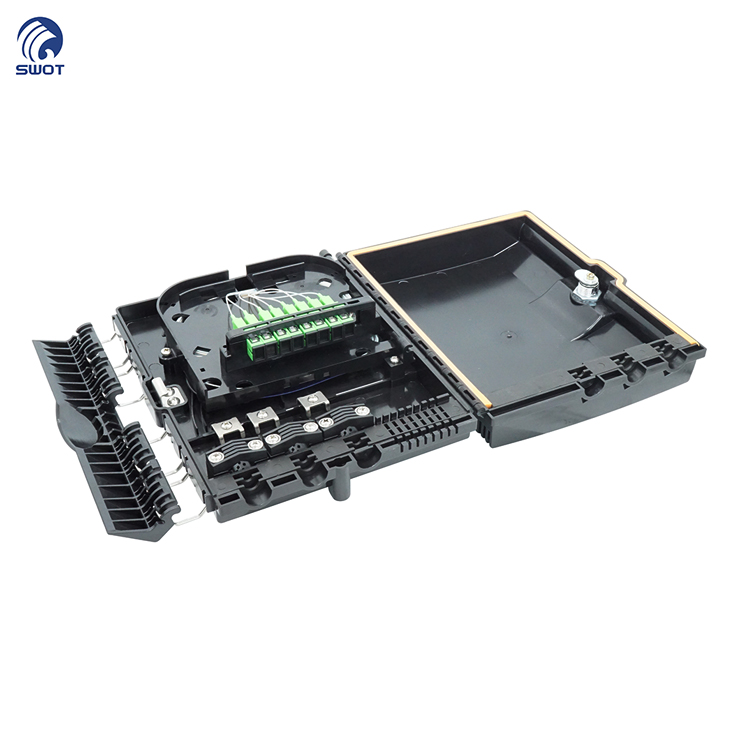
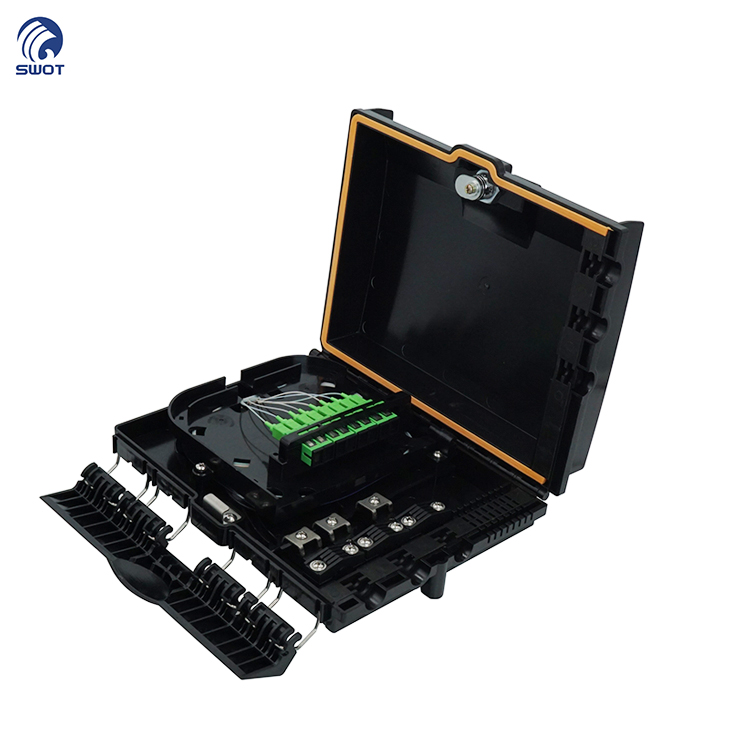
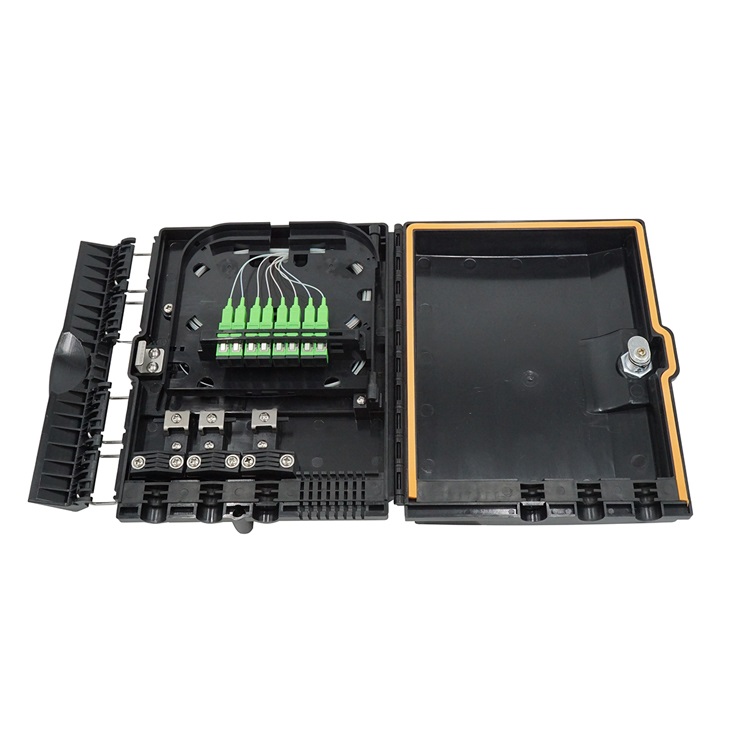
ftth terminal box
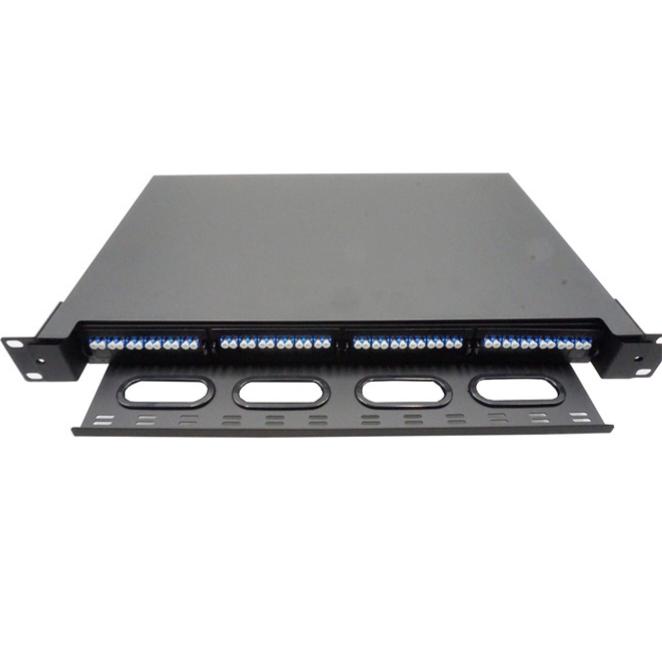
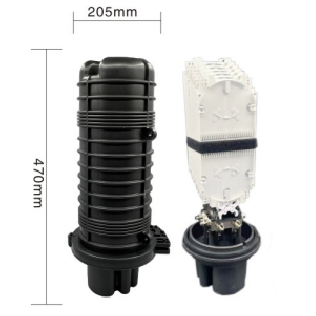
An FTTH terminal box is a crucial infrastructure component that serves as the final connection point in fiber-to-the-home networks. This device functions as the interface between optical fiber cables and customer premises equipment, ensuring seamless data transmission. The FTTH terminal box houses optical connectors, splitters, and protective elements that safeguard fiber connections from environmental damage and physical interference.
The primary function of an FTTH terminal box involves signal distribution and network termination. It receives high-speed optical signals from the main network and routes them to individual residential or commercial units. The FTTH terminal box incorporates advanced technological features including sealed enclosures that protect delicate optical components from moisture, dust, and temperature fluctuations. Modern designs integrate compact layouts that maximize space efficiency while maintaining accessibility for maintenance and upgrades.
Key technological features of an FTTH terminal box include high-density connector arrays, low-loss fusion splices, and integrated grounding systems. These elements work together to maintain signal integrity and prevent data loss. The FTTH terminal box supports various fiber types and connector standards, offering flexibility for different network configurations.
Applications of the FTTH terminal box span residential buildings, commercial complexes, and industrial facilities. These devices enable high-speed internet delivery, supporting bandwidth-intensive services like 4K video streaming, cloud computing, and remote work capabilities. The FTTH terminal box plays an essential role in modern broadband infrastructure, making it indispensable for telecommunications providers and network operators worldwide.

 EN